IITA Liberia Newsletter
August, 2026
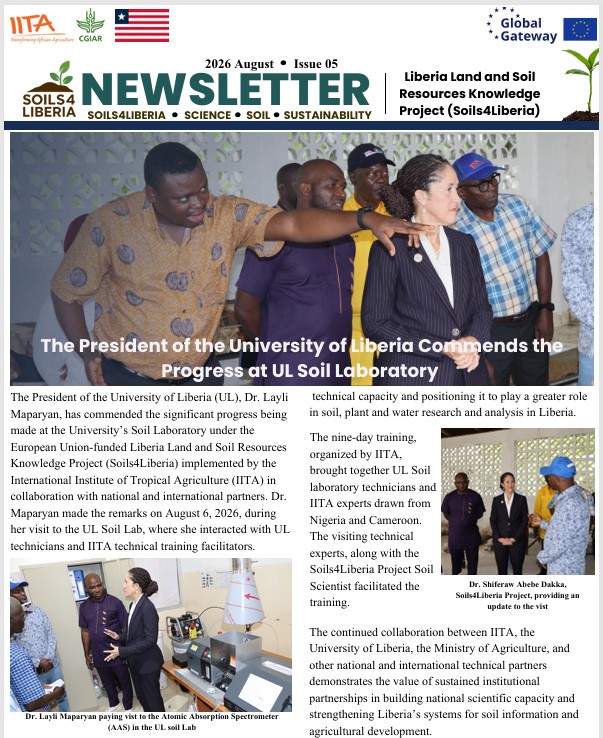
The President of the University of Liberia Commends the Progress at UL Soil Laboratory .
📄 View / Download Full Newsletter
August, 2026
The President of the University of Liberia Commends the Progress at UL Soil Laboratory .
📄 View / Download Full Newsletter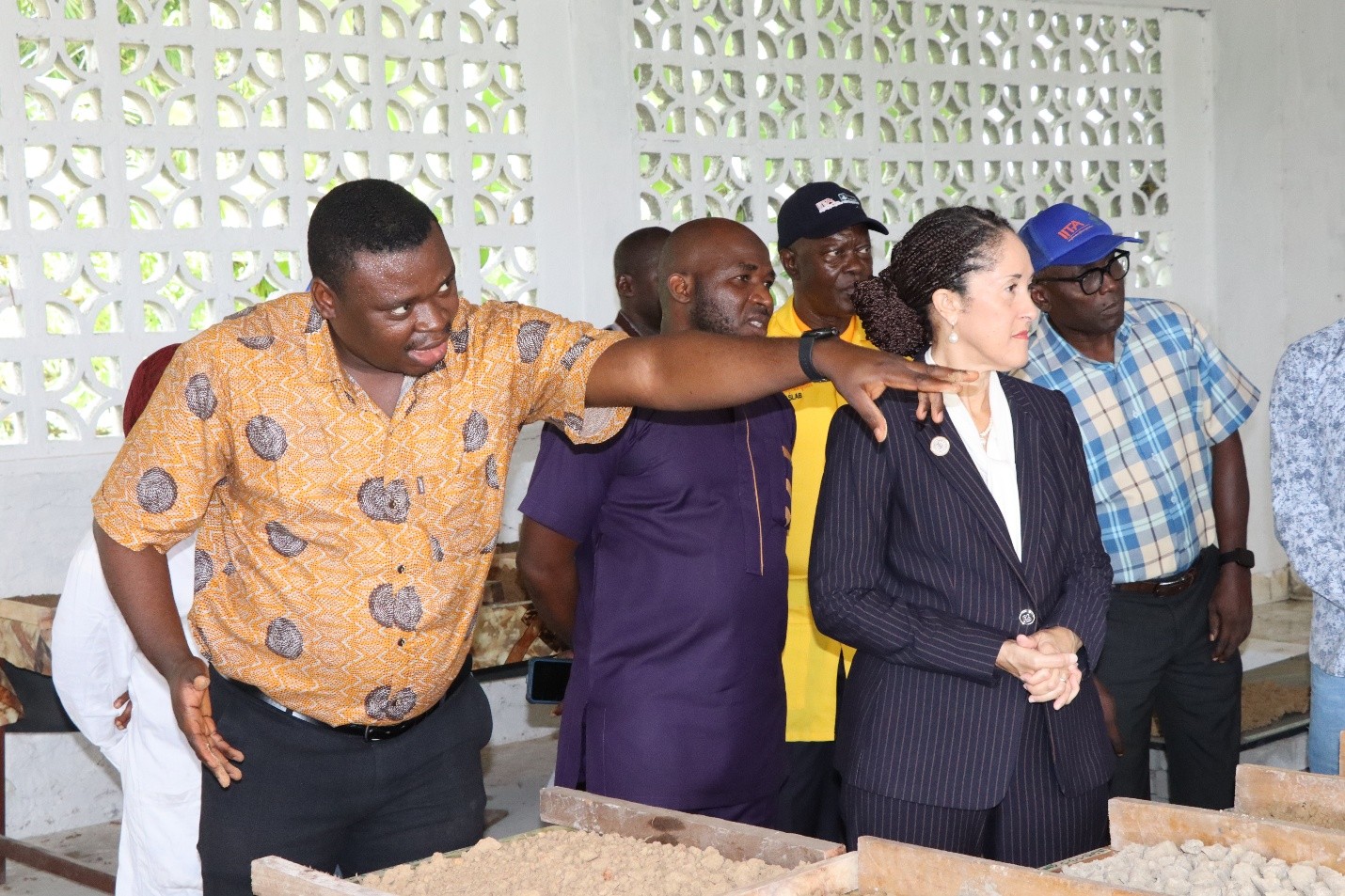
August 3-7, 2026
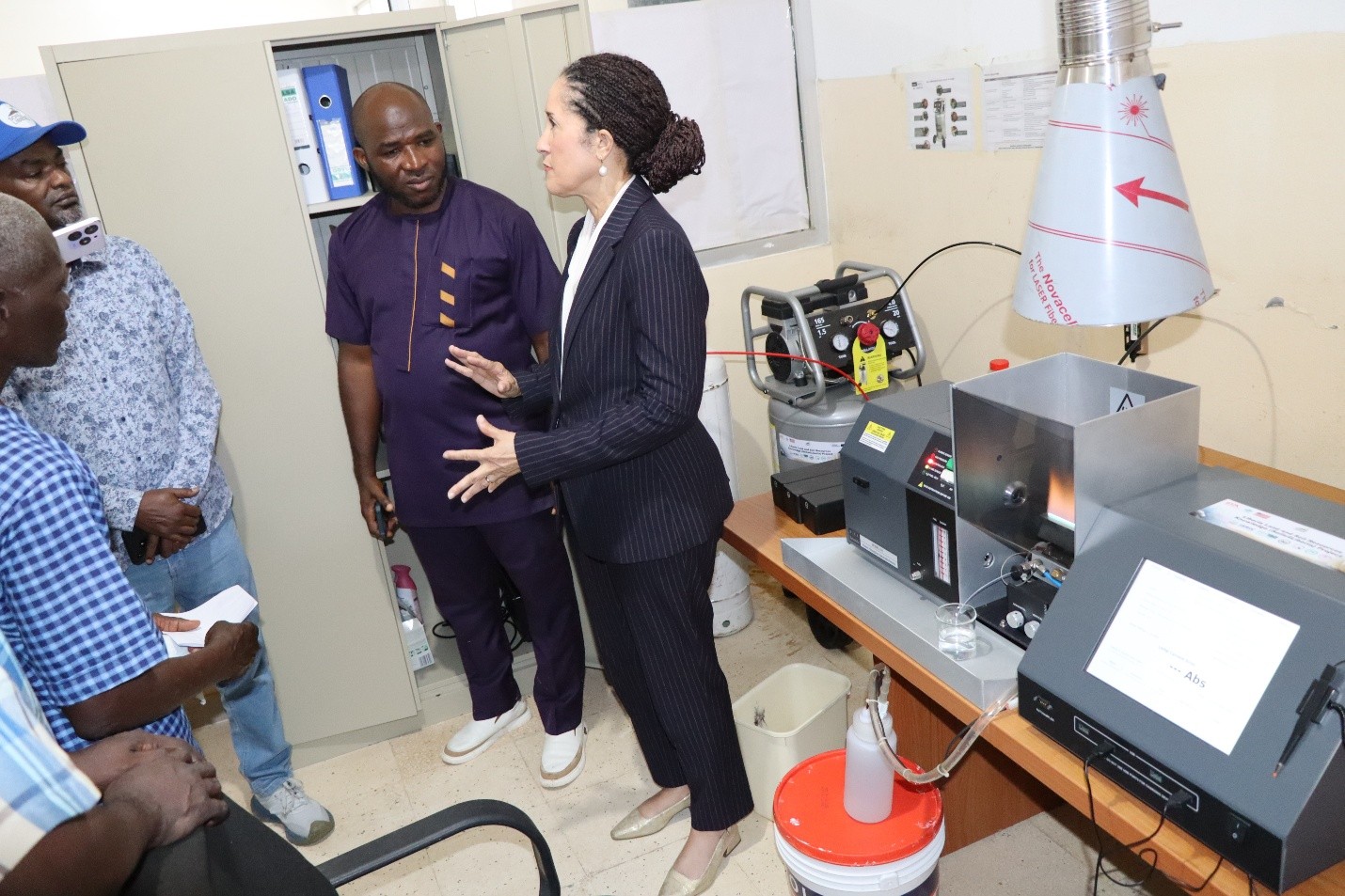
The President of the University of Liberia (UL), on yesterday, visited the UL Soil Laboratory on the third day of the ongoing laboratory technicians' training under the EU-funded Liberia Land and Soil Resources Knowledge Project (Soils4Liberia), expressing excitement over the remarkable progress made in strengthening the laboratory's capacity... During the tour, Dr. Layli Maparyan observed practical training sessions, interacted with laboratory technicians and facilitators, and received updates on the ongoing capacity building. She expressed her satisfaction with the transformation of the laboratory under the Soils4Liberia Project, noting that she is impressed by the progress achieved and the growing technical capacity being developed to support soil analysis in Liberia.
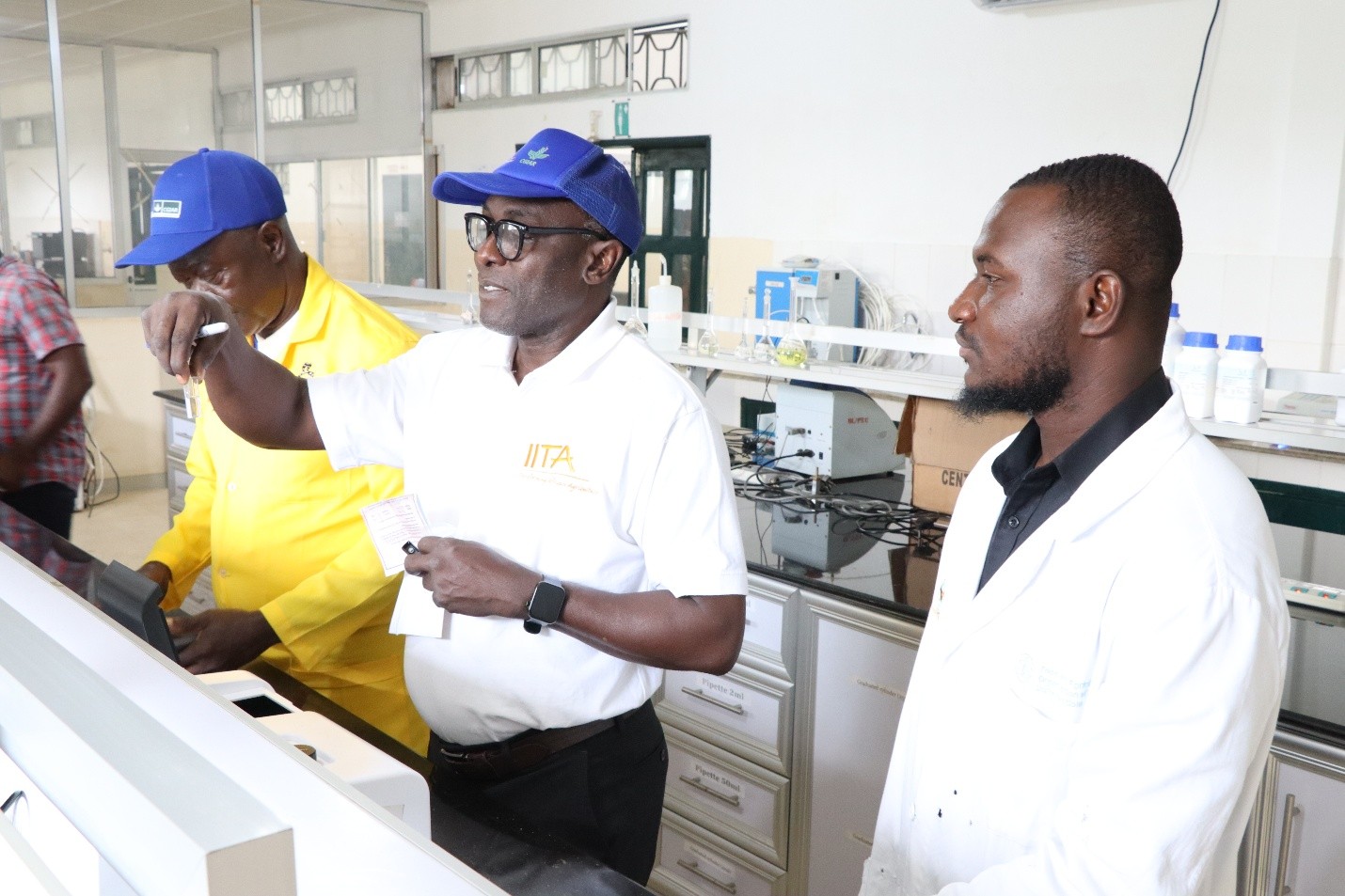
The International Institute of Tropical Agriculture (IITA), which leads the implementation of the Soils4Liberia Project, organized the five-day training, running from August 3-7, 2026. Visiting laboratory experts from IITA’s Analytical Services Laboratory in Ibadan, Nigeria, together with the Soil Scientist of the Soils4Liberia Project are facilitating the technical training sessions. The training seeks to equip laboratory technicians with the requisite skills to carrying out soil sample handling, preparation, analyses, quality assurance, and laboratory best practices.
As soil samples continue to arrive from the nationwide field campaign, the training is ensuring that the UL Soil Laboratory is fully prepared to analyze the soil samples obtained from the nationwide soil survey activities. UL Soil Lab is being positioned to generate reliable, high-quality soil data and information that will support sustainable land management, improved agricultural productivity, and evidence-based decision-making across Liberia.
August 3 - 7, 2026
As soil samples continue to arrive from the nationwide field campaign, the Liberia Land and Soil Resources Knowledge Project (Soils4Liberia) has commenced its second intensive... laboratory training for technicians at the University of Liberia Soils Laboratory, reinforcing Liberia's capacity to process and analyze soil samples to international standards.
The five-day training, running from August 3 - 7, 2026, is being held at the University of Liberia Soil Laboratory on the Fendall Campus. Organized by the International Institute of Tropical Agriculture (IITA), the training forms part of the project's long-term commitment to strengthening the country's soil analytical capacity and establishing a sustainable national soil information system.
Providing technical leadership for the Soils4Liberia Project is Dr. Samuel A. Mesele, the project's Soil Scientist. He is leading the training alongside a team of laboratory experts from the IITA Analytical Services Laboratory in Ibadan, Nigeria, headed by Joseph Uponi, Head of the IITA Laboratory. The expert team also includes Ohaegbulem Basil, Senior Laboratory Supervisor; Philip E. Igboba, Senior Research Support Officer; and Jean Baptiste, Laboratory Assistant from IITA Cameroon.
The timing of the training is particularly significant, as the project field, team continues to collect soil samples from across Liberia. With samples already being delivered from Bong, Margibi, Montserrado, Bomi, Grand Cape Mount and part of Gbapolu counties, to the University of Liberia Soil Laboratory, strengthening the technical skills of laboratory personnel is essential to ensuring that each sample is accurately registered, prepared, analyzed, and managed according to internationally recognized quality standards.
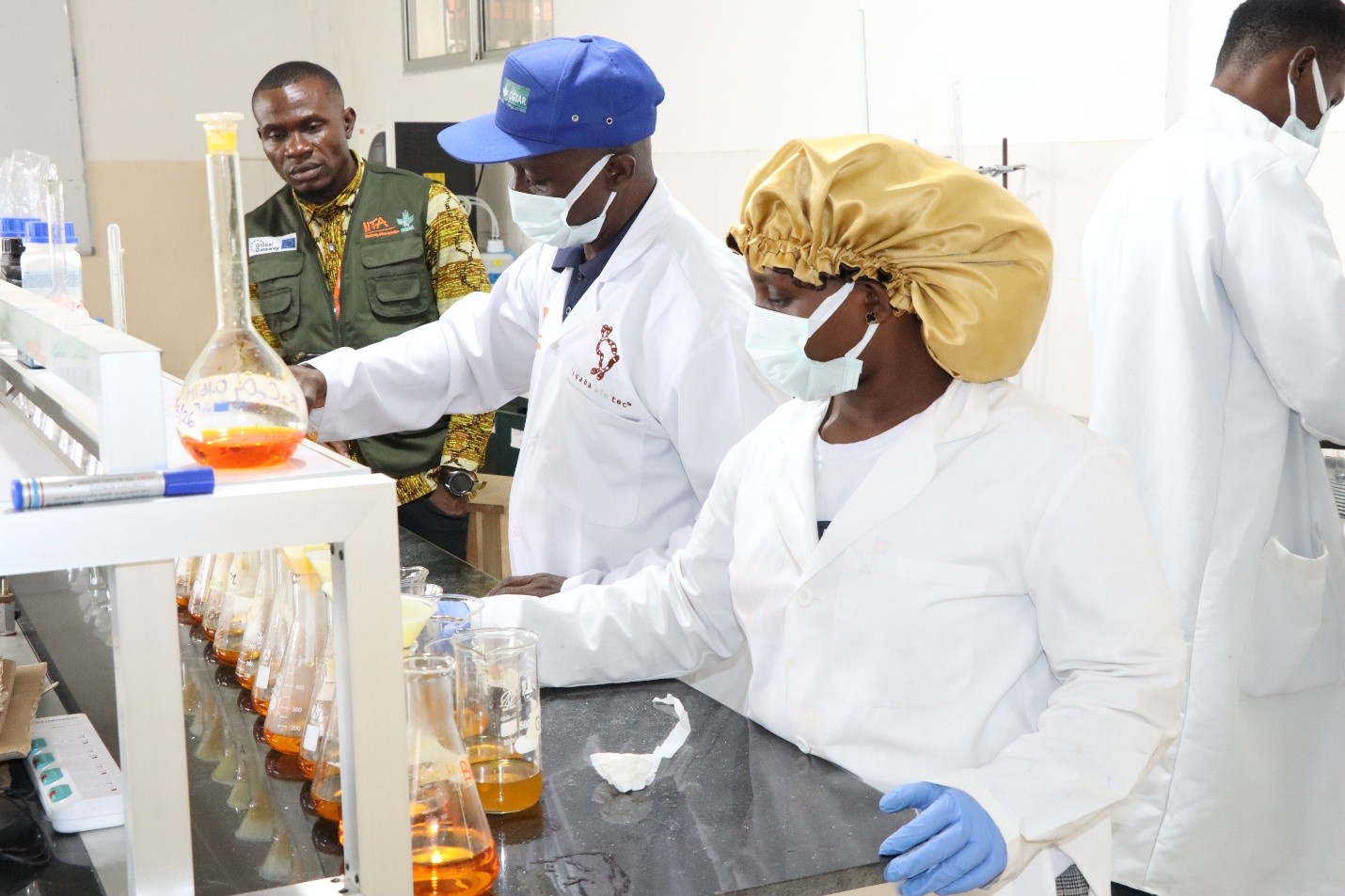
The first day of training focused on laboratory fundamentals, including sample registration, preparation, packaging, and storage, as well as the preparation of normal and molar solutions, sample dilution techniques, and practical sessions on the calibration, operation, and maintenance of pH meters. Participants also engaged in hands-on laboratory exercises designed to reinforce best practices and quality assurance procedures.
By equipping laboratory technicians with advanced technical knowledge and practical skills, the Soils4Liberia Project is helping to build a robust national soil analysis system that will generate reliable data to support sustainable land management, informed fertilizer recommendations, improved agricultural productivity, and evidence-based decision-making for Liberia's agricultural sector.
The training underscores the project's broader vision of ensuring that, as soil samples continue to flow from the field to the laboratory, Liberia possesses the institutional capacity and technical expertise needed to transform those samples into actionable knowledge for farmers, researchers, policymakers, and development partners.
June, 2026
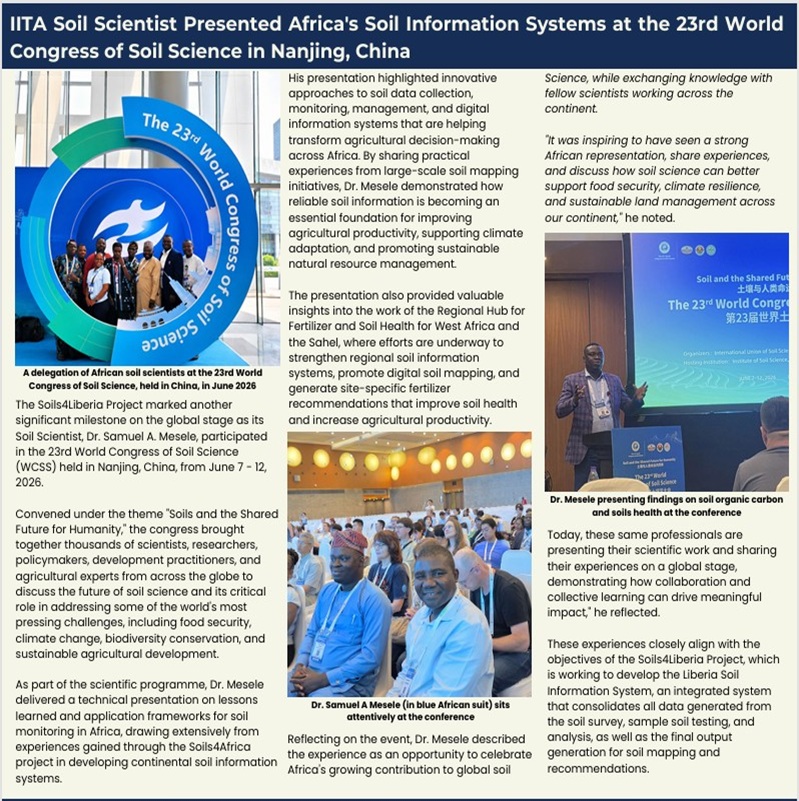
IITA Soil Scientist Presented Africa's Soil Information Systems at the 23rd World Congress of Soil Science in Nanjing, China.
📄 View / Download Full Newsletter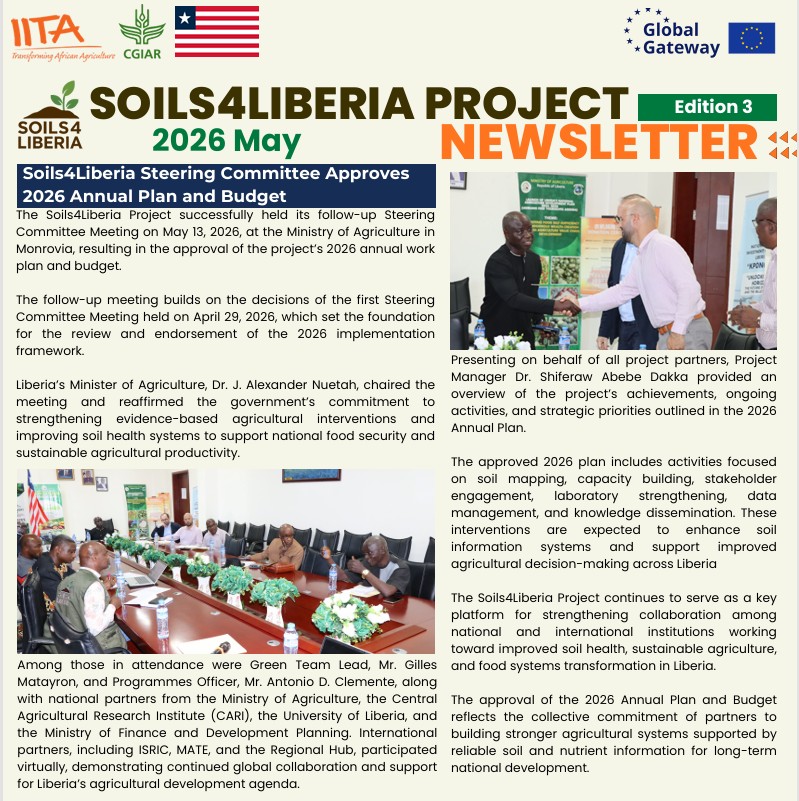
May, 2026
The Soils4Liberia Project supports soil mapping, agricultural planning, and food security improvement across Liberia.
📄 View / Download Full Newsletter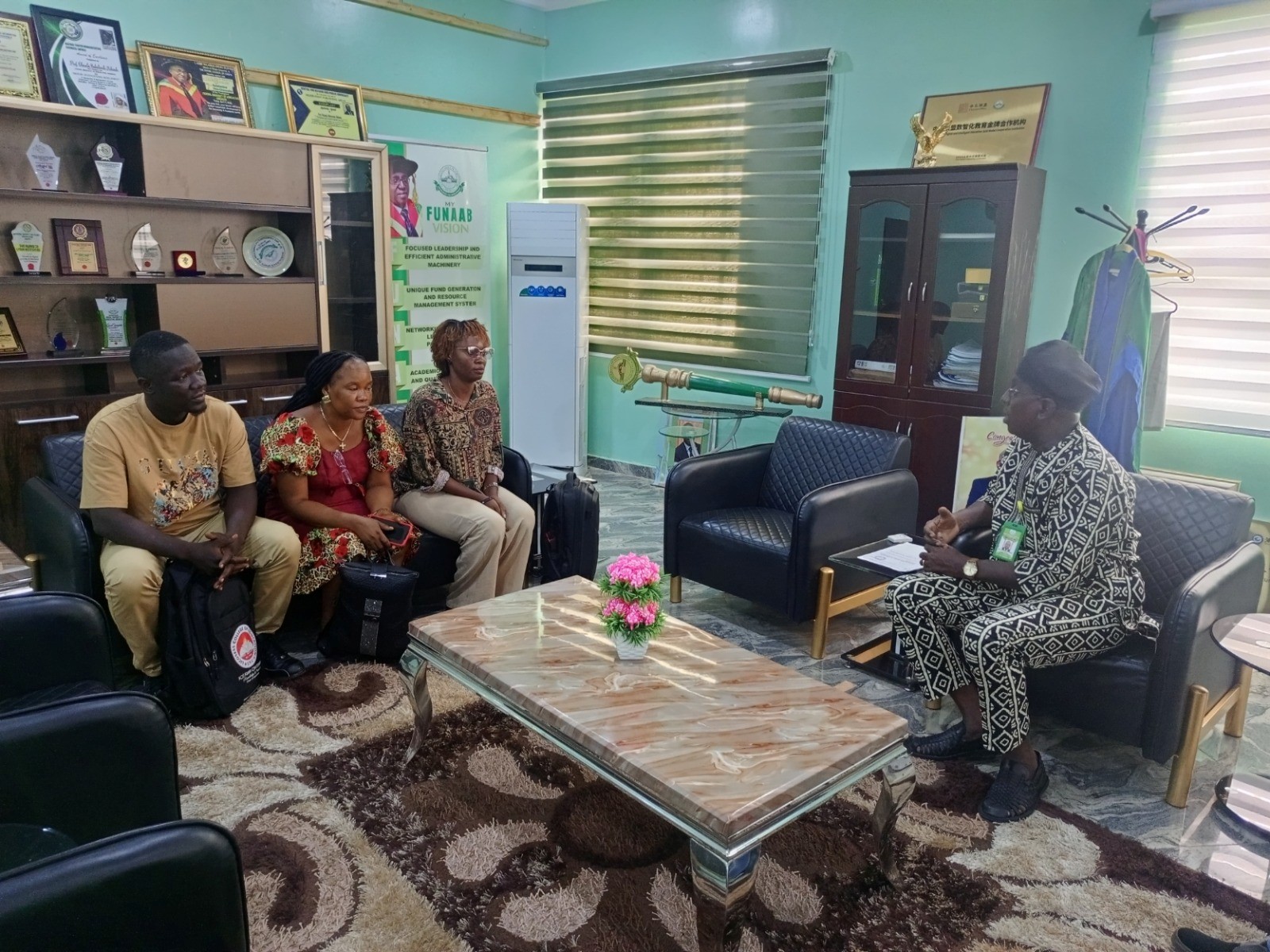
The International Institute of Tropical Agriculture (IITA), through the EU-funded Soils4Liberia project, has facilitated the placement of three Liberian scholars at the Federal University of Agriculture, Abeokuta (FUNAAB) in Nigeria, as part of the project’s human capacity building in soil science for the advancement of sustainable agricultural development in Liberia.
The partnership initiative involves IITA, Government of Liberia institutions - Ministry of Agriculture (MoA), Central Agricultural Research Institute (CARI) and University of Liberia (UL), and FUNAAB...
It is designed to develop a new generation of highly skilled soil scientists equipped to transform agricultural productivity and promote sustainable land and soil management practices in Liberia.
The three Liberian scholars, Dennis Daniel Goteh from the MOA, Rena Yeawon Kokeh Nuah from the UL, and Victoria Mawee Kafi from CARI departed from Liberia on May 20, 2026 to commence their postgraduate study at the University under the Centre of Excellence in Agricultural Development and Sustainable Environment (CEADESE). At CEADESE, they will undertake advanced studies in Crop/Pasture Production and Sustainable Environment, with a specialized focus on Soil Science.
The successful placement of these scholars at FUNAAB preceded months of strategic planning and coordination led by Dr. Samuel A. Mesele, Soil Scientist for the Soils4Liberia project/IITA Liberia Country Office. His facilitation was instrumental in fostering collaboration between the institutions and ensuring the successful realization of the academic partnership. These Liberia scholars will also receive mentorship of IITA scientists through their enrolment into its Graduate Research Fellowship Program that allows young professionals to develop the necessary research skills, attitude, and confidence for a successful career in agriculture.
During a formal reception held at the Vice Chancellor’s Office, the Vice-Chancellor of FUNAAB, Prof. Babatunde Kehinde, urged the Liberia scholars to remain focused and fully utilize the academic opportunities provided, emphasizing the program’s role in contributing to Liberia efforts building technical capacity to sustain its soil resources for improved agricultural production and productivity.
He further noted that the study was deliberately structured to provide the scholars with relevant technical expertise and practical skills; and he assured the scholars that the University remains committed to providing a conducive and supportive academic environment throughout their stay.
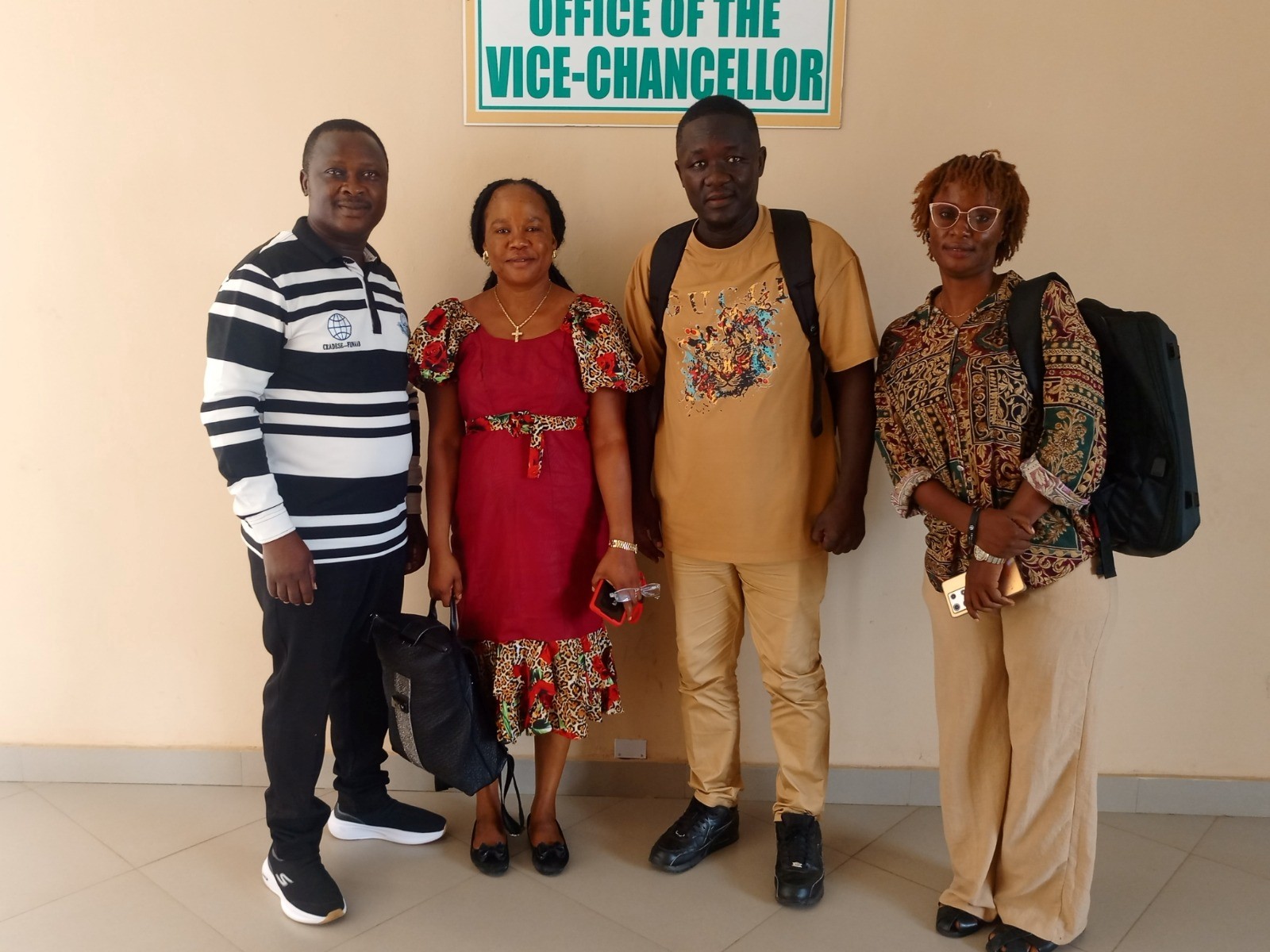
Meanwhile, the Director of CEADESE, Prof. Adeboye Fafiolu, highlighted the availability of excellent facilities, experienced faculty, and a research-driven environment designed to enhance academic excellence and practical impact.
In separate remarks, the Liberian scholars expressed gratitude to IITA, FUNAAB, the Government of Liberia, and the European Union Delegation to Liberia for the opportunity, pledging to remain committed, disciplined, and diligent in their academic pursuits.
This collaboration and partnership is expected to further deepen institutional ties between Nigeria and Liberia, while contributing meaningfully to regional agricultural research and development, particularly by addressing the critical shortage of soil management experts in Liberia.
April, 2026
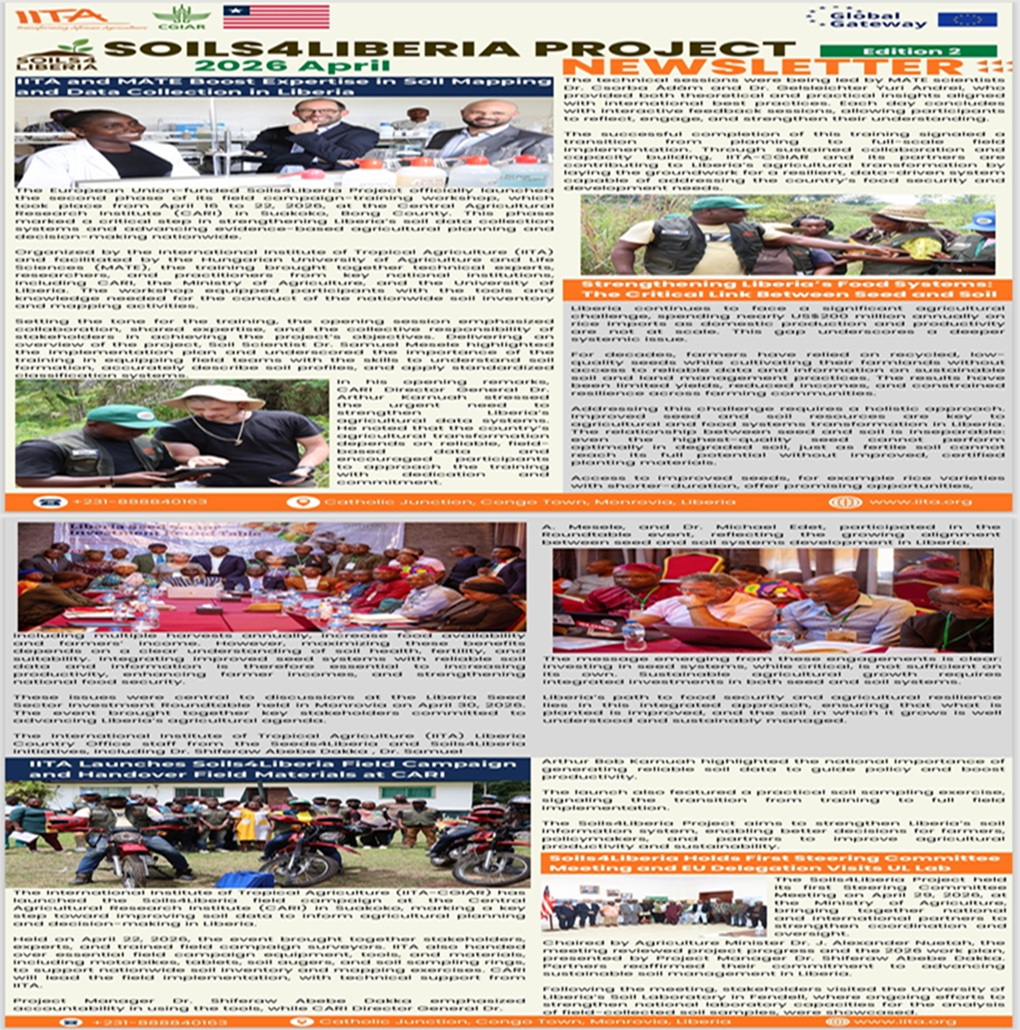
The Soils4Liberia Project supports soil mapping, agricultural planning, and food security improvement across Liberia.
📄 View / Download Full Newsletter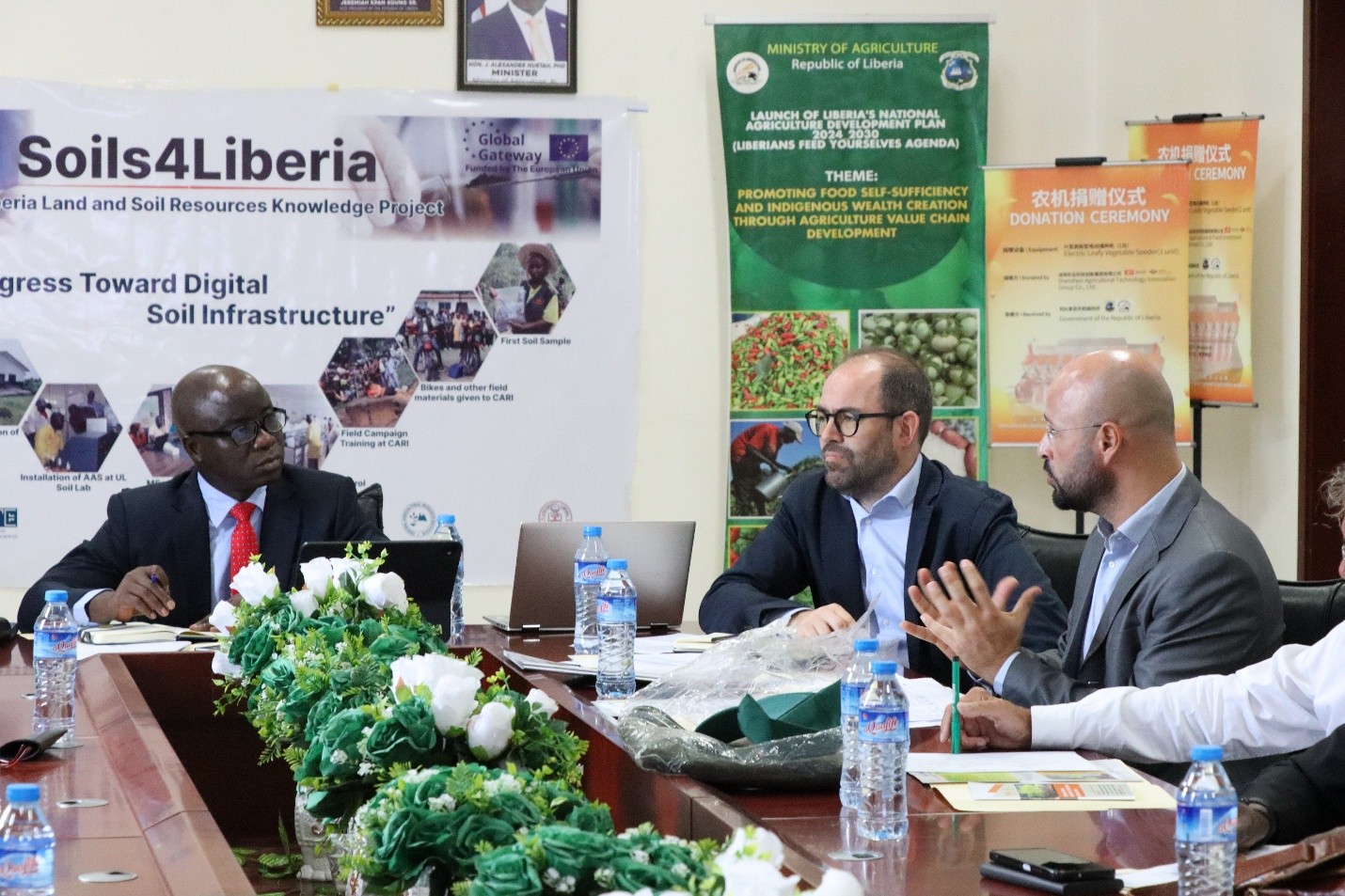
April 29, 2026
By: Daniel Momo Sirleaf, Stakeholder Engagement and Communication Officer, IITA Liberia
The Soils4Liberia Project convened its first Steering Committee Meeting on April 29, 2026, at the Ministry of Agriculture - Republic of Liberia, bringing together key national and international partners to strengthen coordination and strategic oversight of the project.
The meeting was chaired by the Minister of Agriculture, Dr. J. Alexander Nuetah, and attended by representatives of the European Union Delegation to Liberia, including Green Team Lead, Mr. Gilles Matayron, and Programmes Officer, Mr. Antonio D. Clemente...
Also present were key project partners, including the Director General of the Central Agricultural Research Institute CARI, Dr. Arthur B. Karnuah, and the Dean of the College of Agriculture and Forestry at the University of Liberia, Prof. Leroy Cegbe.
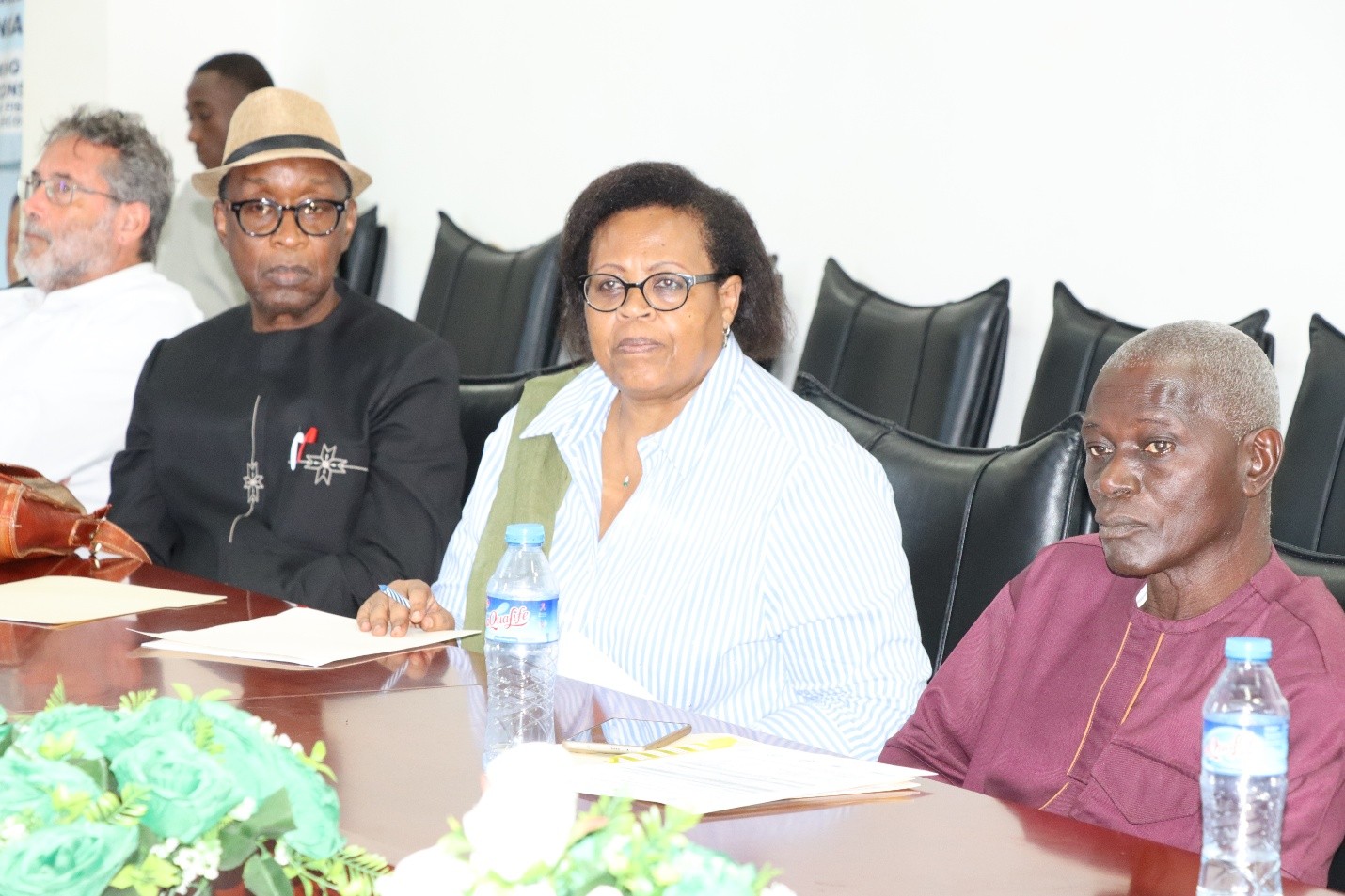
Representatives from the Ministry of Finance and Development Planning - Republic of Liberia, and other senior officials of the Ministry of Agriculture - Republic of Liberia were in attendance. International partners, including ISRIC - World Soil Information, MATE University, and the Regional Hub for Fertilizer and Soil Health for West Africa and the Sahel, attended the meeting virtually. Also in attendance was AfricaRice Country Representative to Liberia.
The Soils4Liberia Project Manager, Shiferaw Abebe Dakka, and Soil Scientist, Dr Samuel A. Mesele, presented a comprehensive report on the project’s progress since its inception in August 2024, along with the work plan for 2026.
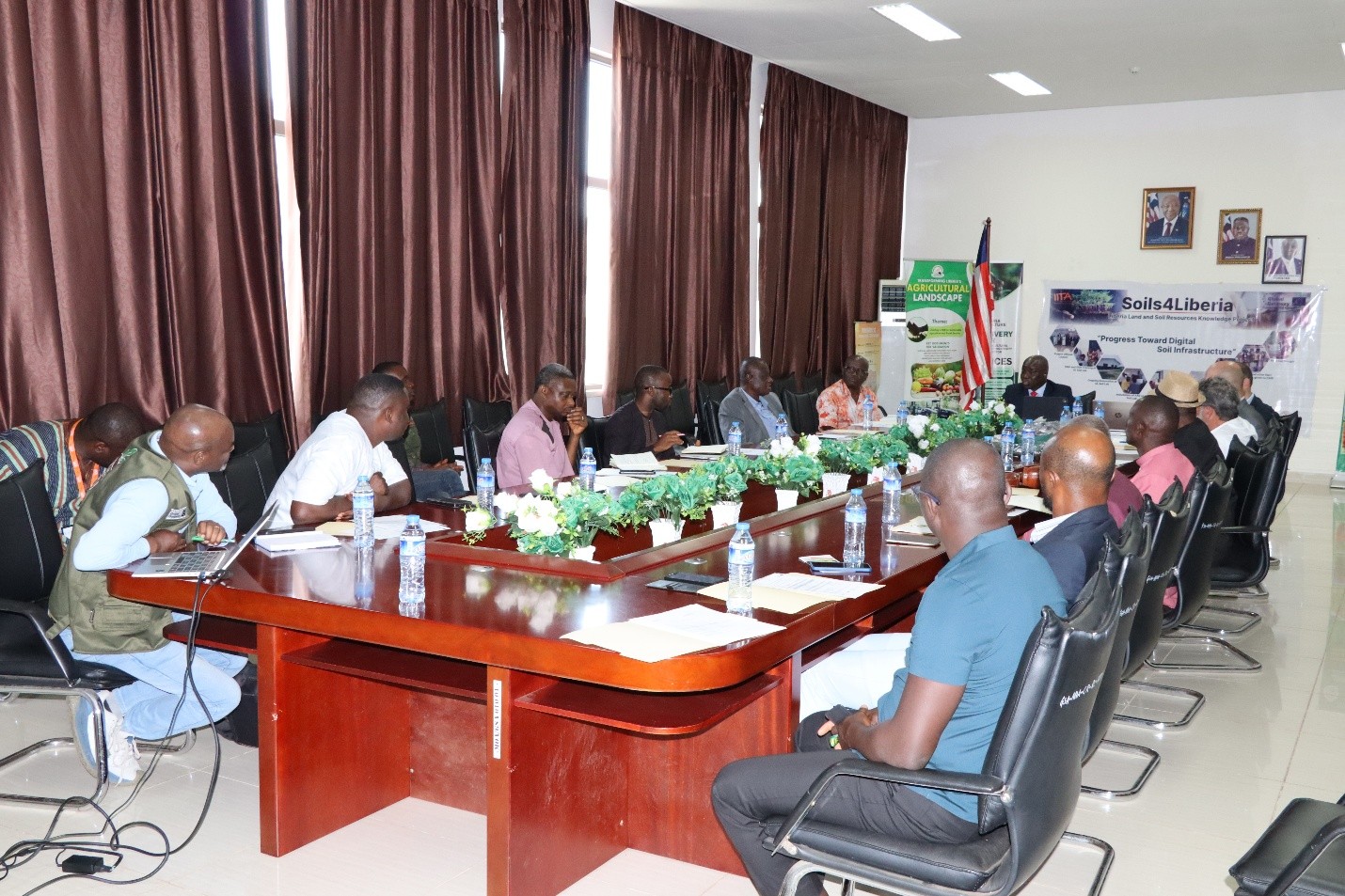
The Steering Committee Meeting reflects the project’s commitment to inclusive governance, high-level engagement, and strengthened collaboration among implementing and oversight institutions, in pursuit of efforts to advance sustainable soil management and agricultural development in Liberia.
Following the Steering Committee meeting, a visit was conducted to the Soil Testing, Plant and Water Analysis Laboratory at the University of Liberia, Fendell Campus. The IITA Team accompanied representatives from the EU Delegation to Liberia, the Ministry of Agriculture, and the Ministry of Finance and Development Planning to the Soil Lab.
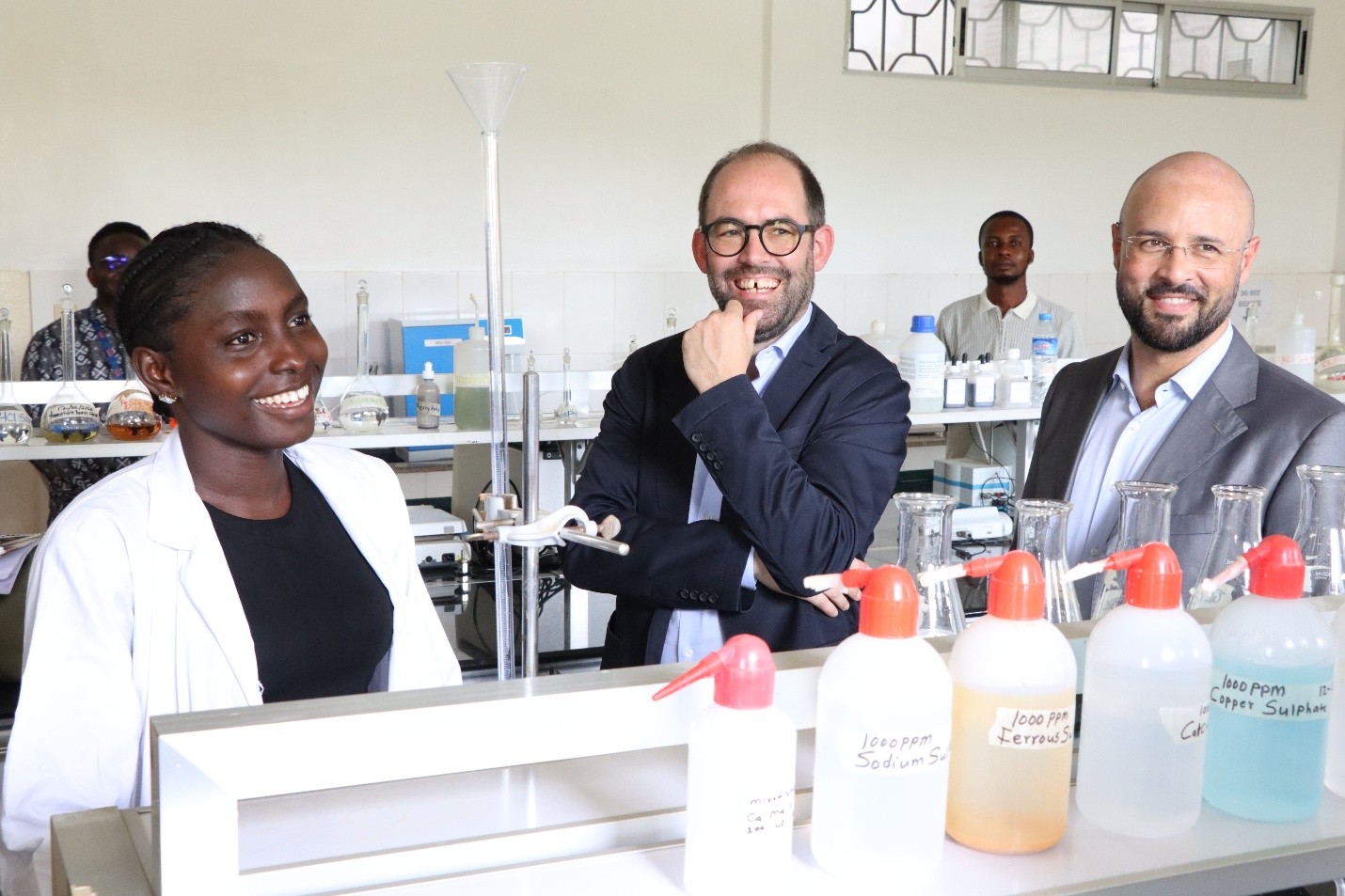
The visit provided an opportunity to tour the facility and observe at firsthand the ongoing contributions of the Soils4Liberia Project in strengthening national laboratory capacity and advancing soil data systems in Liberia. The Director of the UL Soil Laboratory, Dr. Salia Sheriff, guided the touring of the soil lab facility, while the technicians of the laboratory demonstrated their technical knowledge and skills in carrying out various analytical and quality control procedures. The Soil Testing Lab of the University of Liberia is designated to lead the analysis of soil samples collected during the nationwide soil inventory and mapping activities.
Wednesday, 22 April 2026
The International Institute of Tropical Agriculture (IITA) has officially launched the field campaign for the EU-funded Liberia Land and Soil Resources Knowledge Project (Soils4Liberia) at the Central Agricultural Research Institute (CARI) in Suakoko, Bong County, marking a major milestone in Liberia’s journey toward building a robust, data-driven agricultural system.
The launch ceremony, held on Wednesday, 22 April 2026, brought together key stakeholders, researchers, and field surveyors who will play a critical role in generating reliable soil data across the country...
The training, organized by the International Institute of Tropical Agriculture (IITA) and facilitated by the Hungarian University of Agriculture and Life Sciences (MATE), brings together technical experts, researchers, and practitioners from key national institutions, including CARI, the Ministry of Agriculture, and University of Liberia.
The opening segment of the training set the tone for a collaborative and knowledge-driven engagement, emphasizing the importance of shared expertise in achieving the project’s goals.
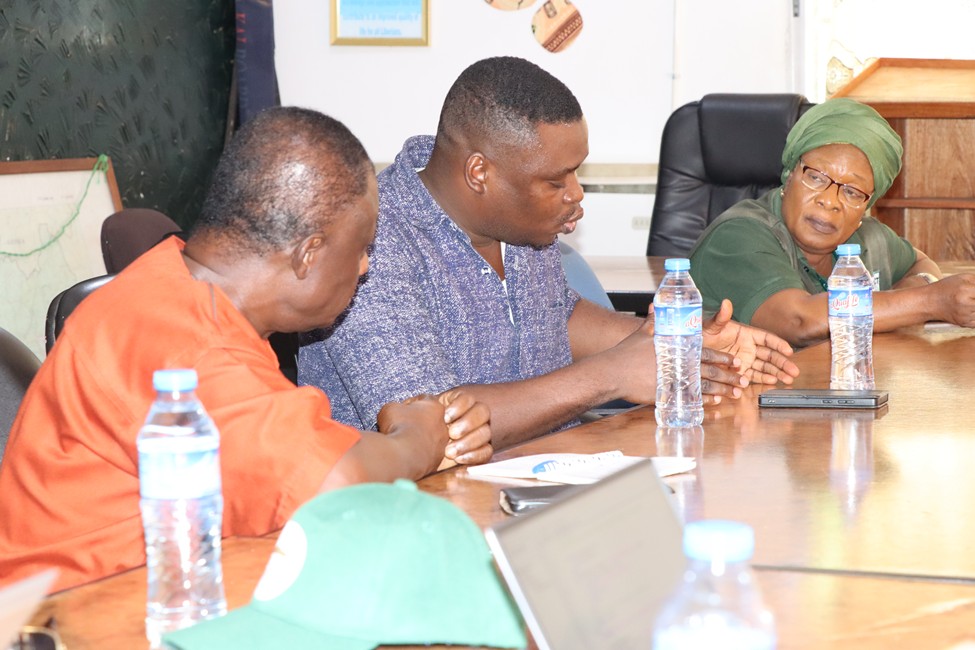
The project Soil Scientist, Dr. Samuel Mesele gave an in-depth overview of the Soils4Liberia Project and its implementation plan. He further highlighted objective and expected outcomes of the field campaign training workshop, including its focus on is building the capacity of field teams to effectively understand soil formation, accurately describe soil profiles, and apply appropriate classification systems.
For his part, Director General of CARI, Dr. Arthur B. Karnuah, underscored the urgency of strengthening Liberia’s agricultural data systems while delivering opening remarks. He emphasized that the success of the country’s agricultural transformation depends heavily on accurate, field-based evidence, and encouraged participants to fully commit themselves to the training process.
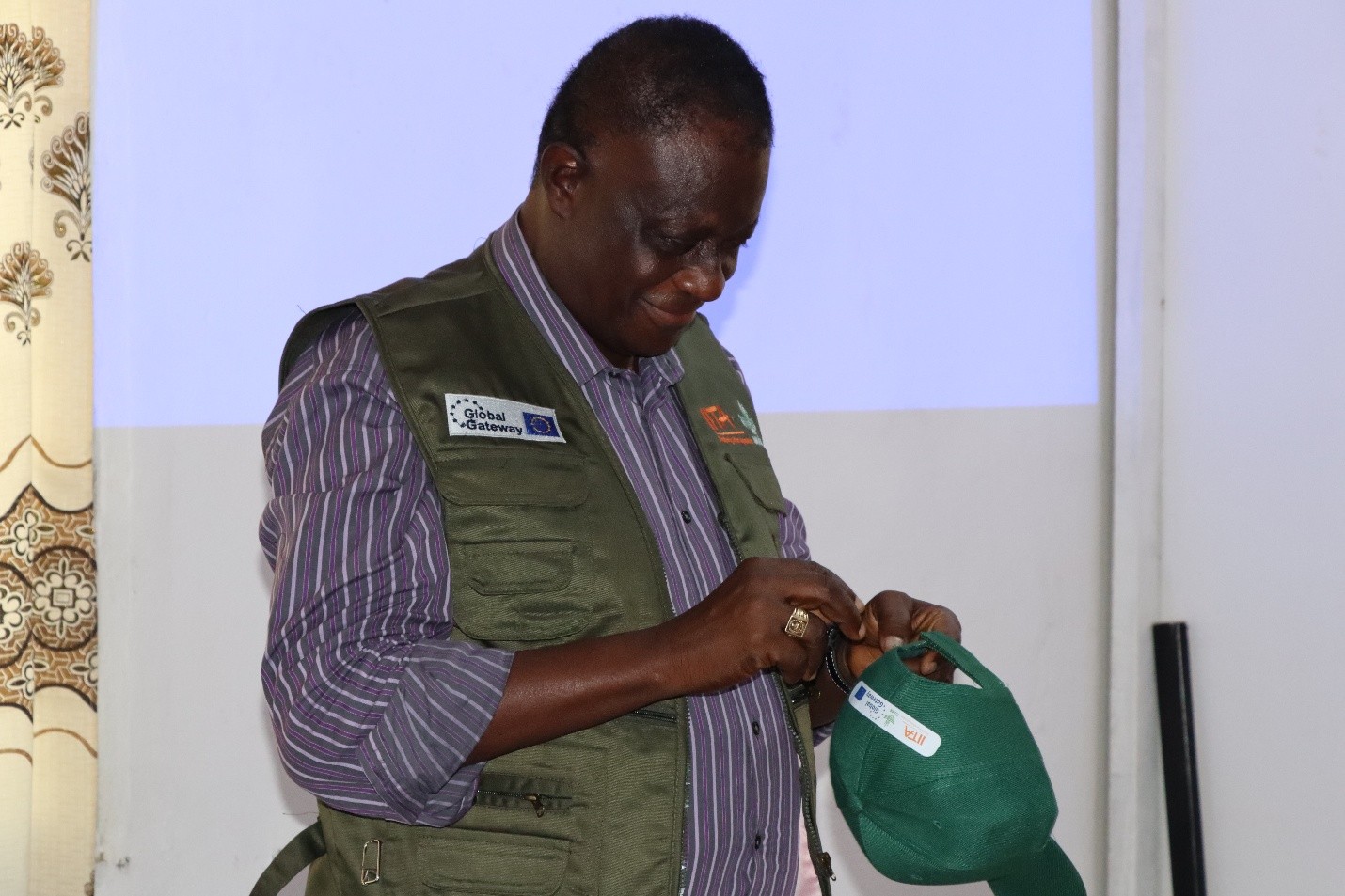
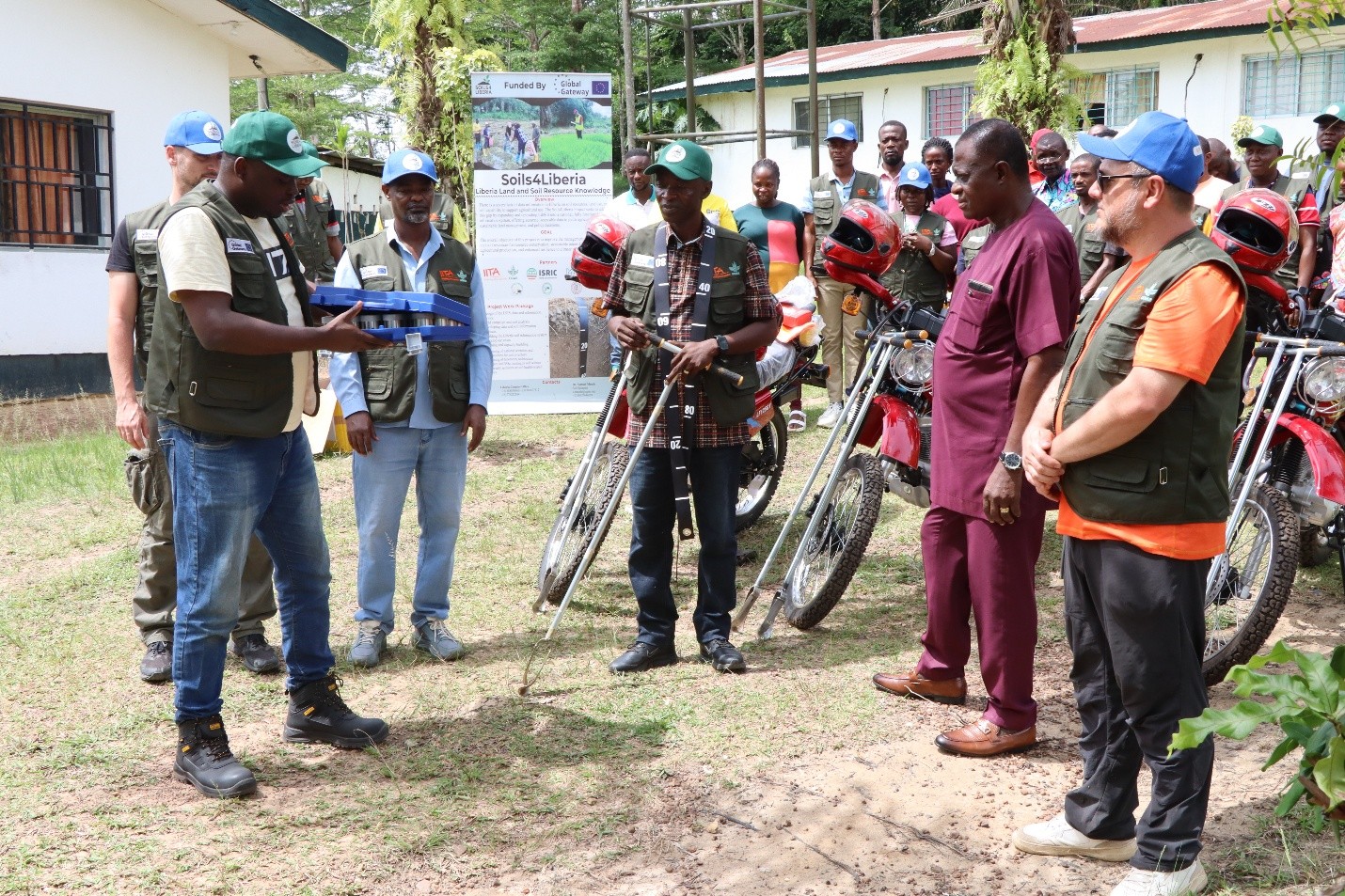
It is also expected that essential materials, equipment and tools for the conduct of the field survey activities will be presented to CARI during the course of the training workshop. CARI will lead the nationwide field campaign activity with technical support from IITA.
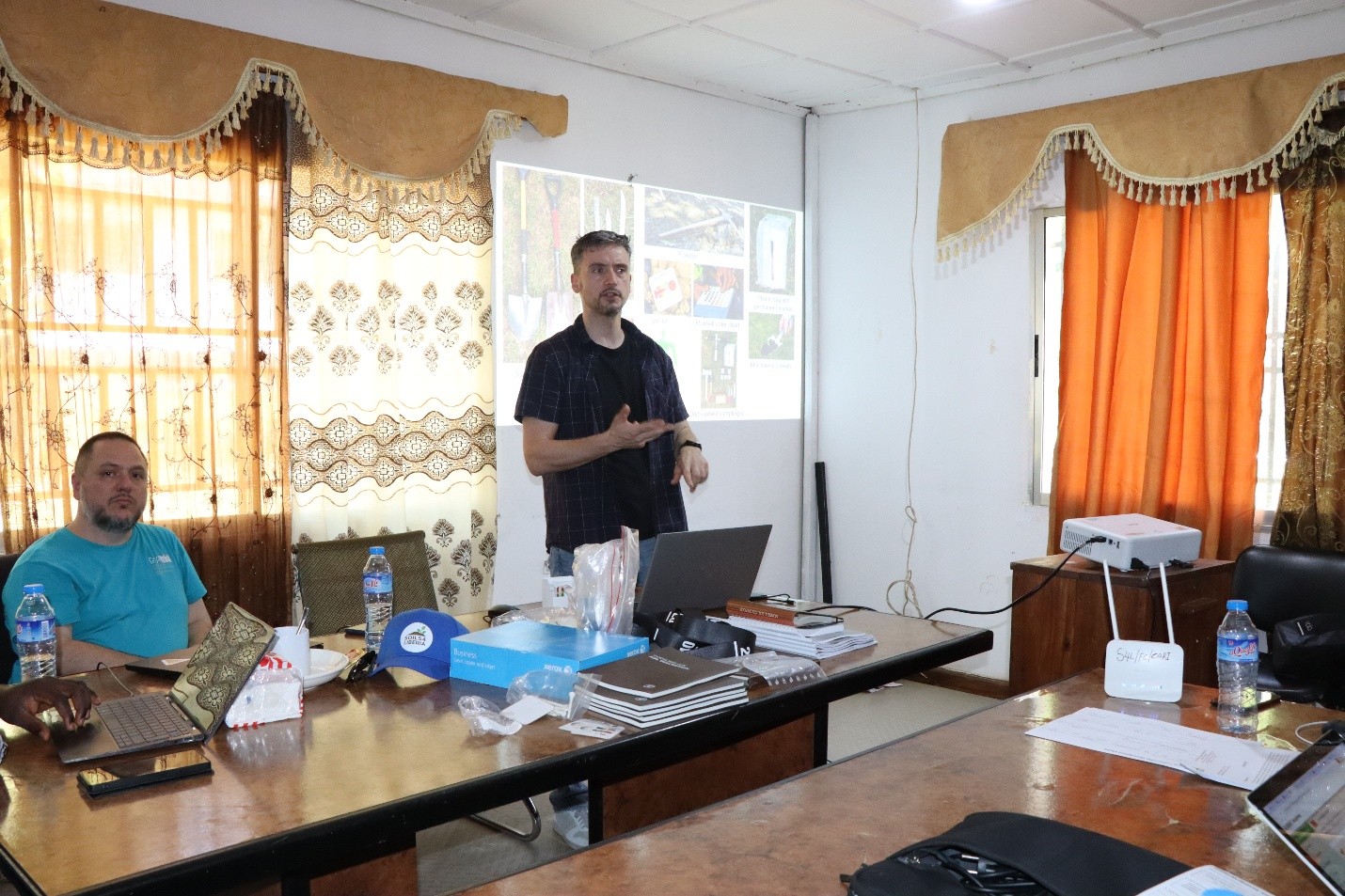
Two of MATE visiting scientists, Dr. Csorba Ádám and Dr. Gelsleichter Yuri Andrei, are leading the workshop’s technical sessions. These sessions are aimed at providing relevant theoretical knowledge and practical insights, equipping participants with standardized methodologies aligned with international best practices. The training sessions conclude with a daily wrap-up and feedback session.
At the close of the first day session, CARI Director General reiterated the national importance of the field campaign initiative. He urged participants to “take the training close to their heart,” noting that the data collected through this effort will play a pivotal role in informing government policies, guiding agricultural investments, and improving farmers’ productivity through evidence-based decisions. The successful completion of the field campaigning training and capacity building initiatives will signify the transition from planning to active field implementation.
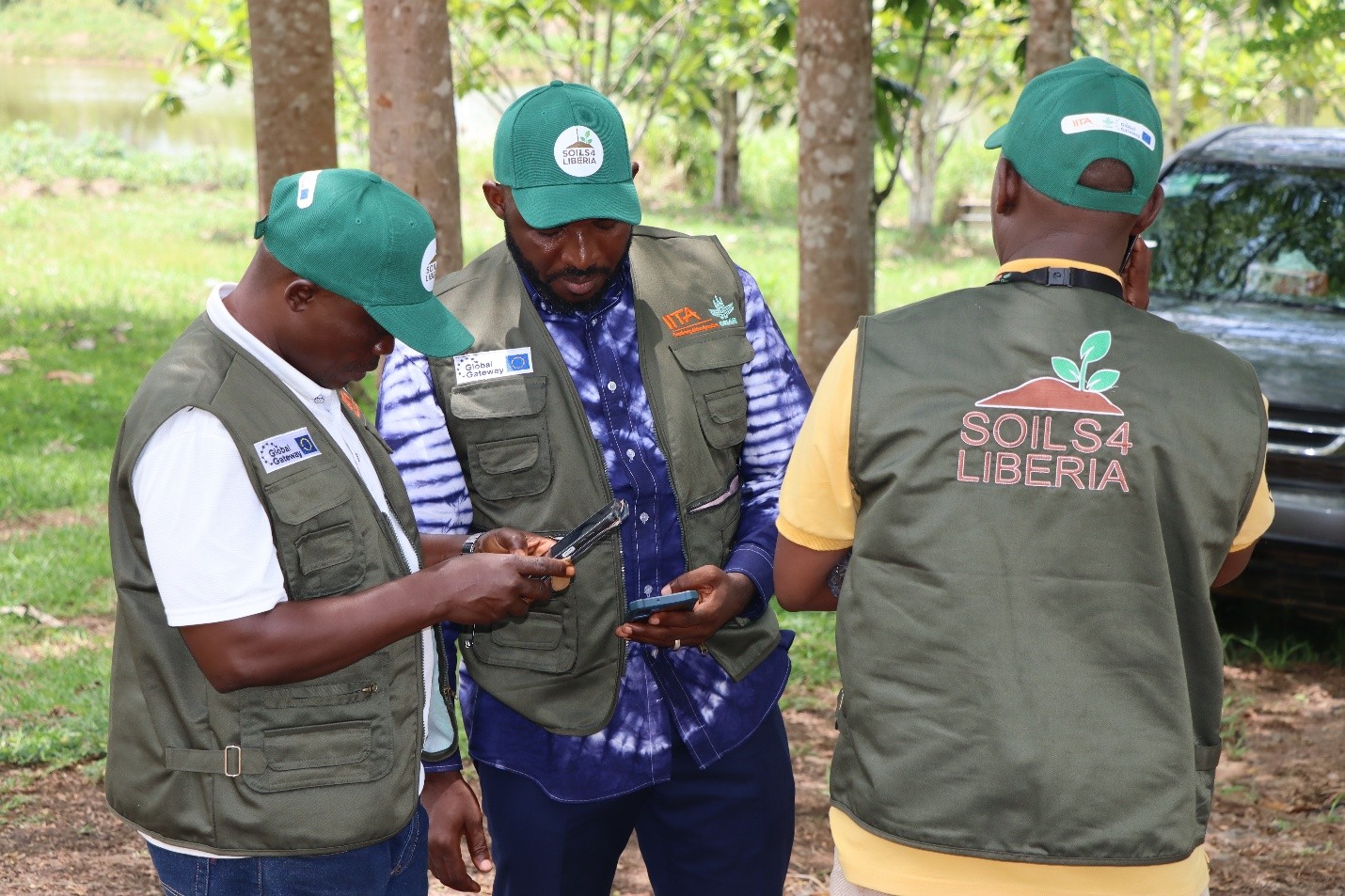
IITA is committed to contributing towards improving Liberia’s agriculture and food systems. By strengthening technical capacity and fostering collaboration among national and international partners, the Soils4Liberia Project is laying the foundation for a more resilient, data-driven agricultural system, one that can respond effectively to the country’s food security and development needs.
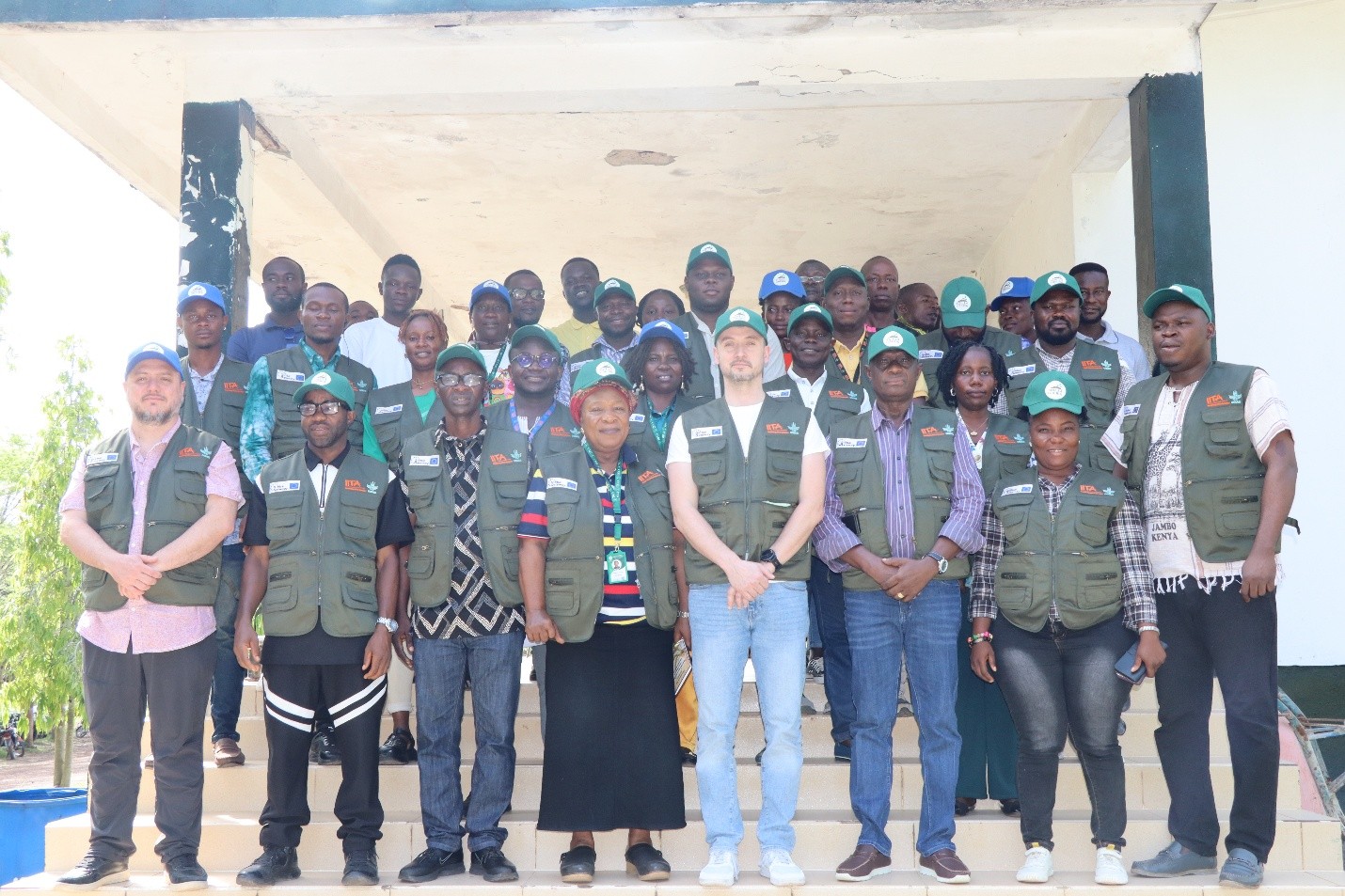
April 16-23, 2026
The EU-funded Soils4Liberia Project officially commenced the second phase of field campaign training workshop, which runs from 16 to 22 April 2026 at the Central Agricultural Research Institute in Suakoko, Bong County, Liberia.
Soils4Liberia Project is aimed at strengthening soil data collection systems and supporting evidence-based agricultural planning and decision-making across the country...
The training, organized by the International Institute of Tropical Agriculture (IITA) and facilitated by the Hungarian University of Agriculture and Life Sciences (MATE), brings together technical experts, researchers, and practitioners from key national institutions, including CARI, the Ministry of Agriculture, and University of Liberia.
The opening segment of the training set the tone for a collaborative and knowledge-driven engagement, emphasizing the importance of shared expertise in achieving the project’s goals.
The project Soil Scientist, Dr. Samuel Mesele gave an in-depth overview of the Soils4Liberia Project and its implementation plan. He further highlighted objective and expected outcomes of the field campaign training workshop, including its focus on is building the capacity of field teams to effectively understand soil formation, accurately describe soil profiles, and apply appropriate classification systems.
For his part, Director General of CARI, Dr. Arthur B. Karnuah, underscored the urgency of strengthening Liberia’s agricultural data systems while delivering opening remarks. He emphasized that the success of the country’s agricultural transformation depends heavily on accurate, field-based evidence, and encouraged participants to fully commit themselves to the training process.
It is also expected that essential materials, equipment and tools for the conduct of the field survey activities will be presented to CARI during the course of the training workshop. CARI will lead the nationwide field campaign activity with technical support from IITA.
Two of MATE visiting scientists, Dr. Csorba Ádám and Dr. Gelsleichter Yuri Andrei, are leading the workshop’s technical sessions. These sessions are aimed at providing relevant theoretical knowledge and practical insights, equipping participants with standardized methodologies aligned with international best practices. The training sessions conclude with a daily wrap-up and feedback session.
At the close of the first day session, CARI Director General reiterated the national importance of the field campaign initiative. He urged participants to “take the training close to their heart,” noting that the data collected through this effort will play a pivotal role in informing government policies, guiding agricultural investments, and improving farmers’ productivity through evidence-based decisions. The successful completion of the field campaigning training and capacity building initiatives will signify the transition from planning to active field implementation.
IITA is committed to contributing towards improving Liberia’s agriculture and food systems. By strengthening technical capacity and fostering collaboration among national and international partners, the Soils4Liberia Project is laying the foundation for a more resilient, data-driven agricultural system, one that can respond effectively to the country’s food security and development needs.
March 16-20, 2026
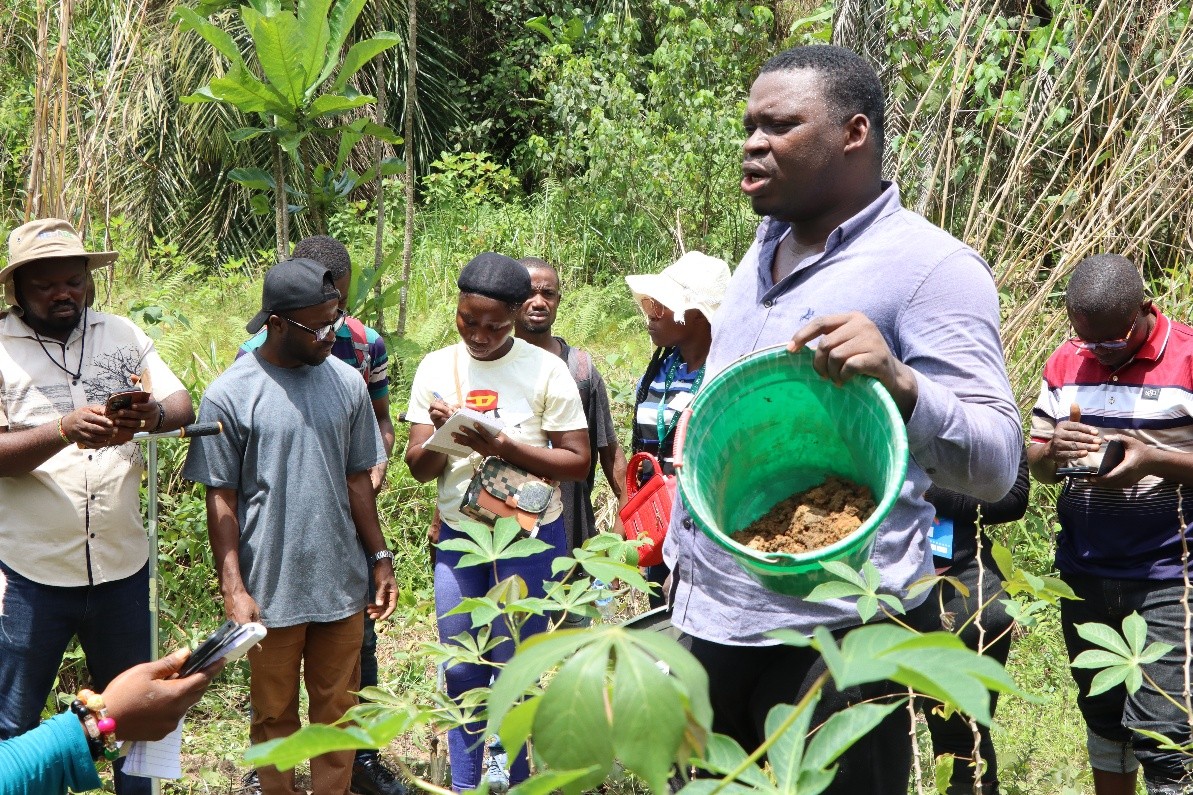
The International Institute of Tropical Agriculture has completed the Field Campaign Training Workshop in preparation for the nationwide soil inventory and mapping under the EU-funded Soils4Liberia Project. The workshop was held at CARI in Bong County, Liberia, from March 16-20, 2026.
The Soils4Liberia Project Manager, Dr. Shiferaw Abebe Dakka, and Soil Scientist, Dr. Samuel A. Mesele, led the facilitation of the training and guided participants through both theoretical and practical components of the field campaign...
A total of 21 participants (13 males and 8 females) from the Central Agricultural Research Institute (CARI), the Ministry of Agriculture (MoA), and the University of Liberia (UL) took part in the training, reflecting strong national collaboration.
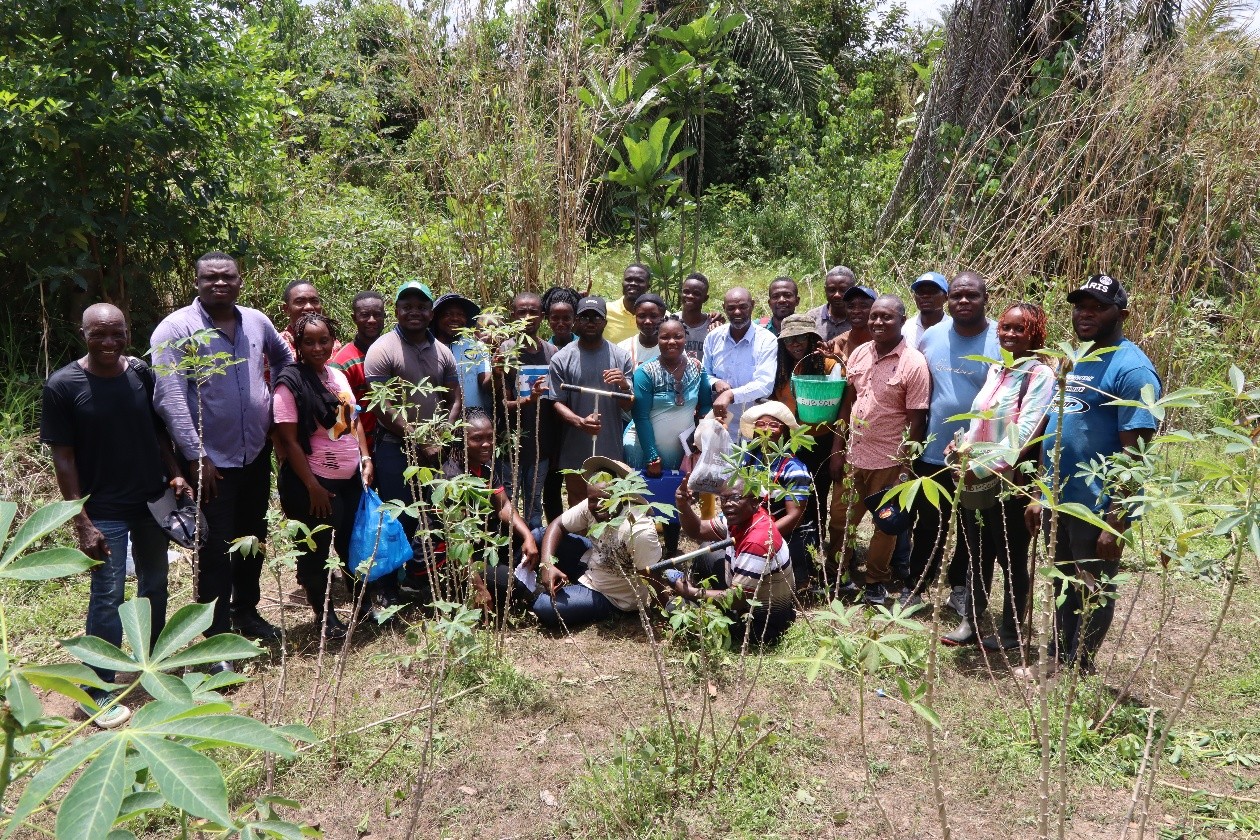
Throughout the training sessions, participants were equipped with comprehensive knowledge and hands-on skills in the use of field Protocols for Nationwide Soil Inventory, Standard Operating Procedures (SOPs), and data collection tools essential for the nationwide soil survey. Practical sessions focused on soil sample collection, soil surface characterization, landscape assessment, and the systematic documentation of land use and land cover. Participants were also trained in the proper handling of field equipment and the effective coordination and management of field teams. These competencies are critical for ensuring the generation of accurate, reliable, and high-quality soil data to support sustainable land management, climate resilience, and agricultural productivity.
The Soils4Liberia Project is designed to strengthen soil data collection systems and support evidence-based agricultural planning and decision-making across the country. As part of the implementation framework, CARI will take the lead in executing the nationwide field campaign, while the analysis of collected soil samples will be conducted at the University of Liberia’s Soil Testing Laboratory. This collaborative approach reinforces institutional roles and promotes national ownership of the project’s outputs. Beyond the technical training, the workshop provided a valuable platform for knowledge exchange, teamwork, and strengthening partnerships among the participating institutions.
The completion of this training represents a significant step in building national technical capacity and advancing the objectives of the Soils4Liberia Project. It underscores a shared commitment to leveraging scientific data and innovation to improve soil health, enhance agricultural productivity, and contribute to food security and sustainable development in Liberia.
February 2 – 9, 2026
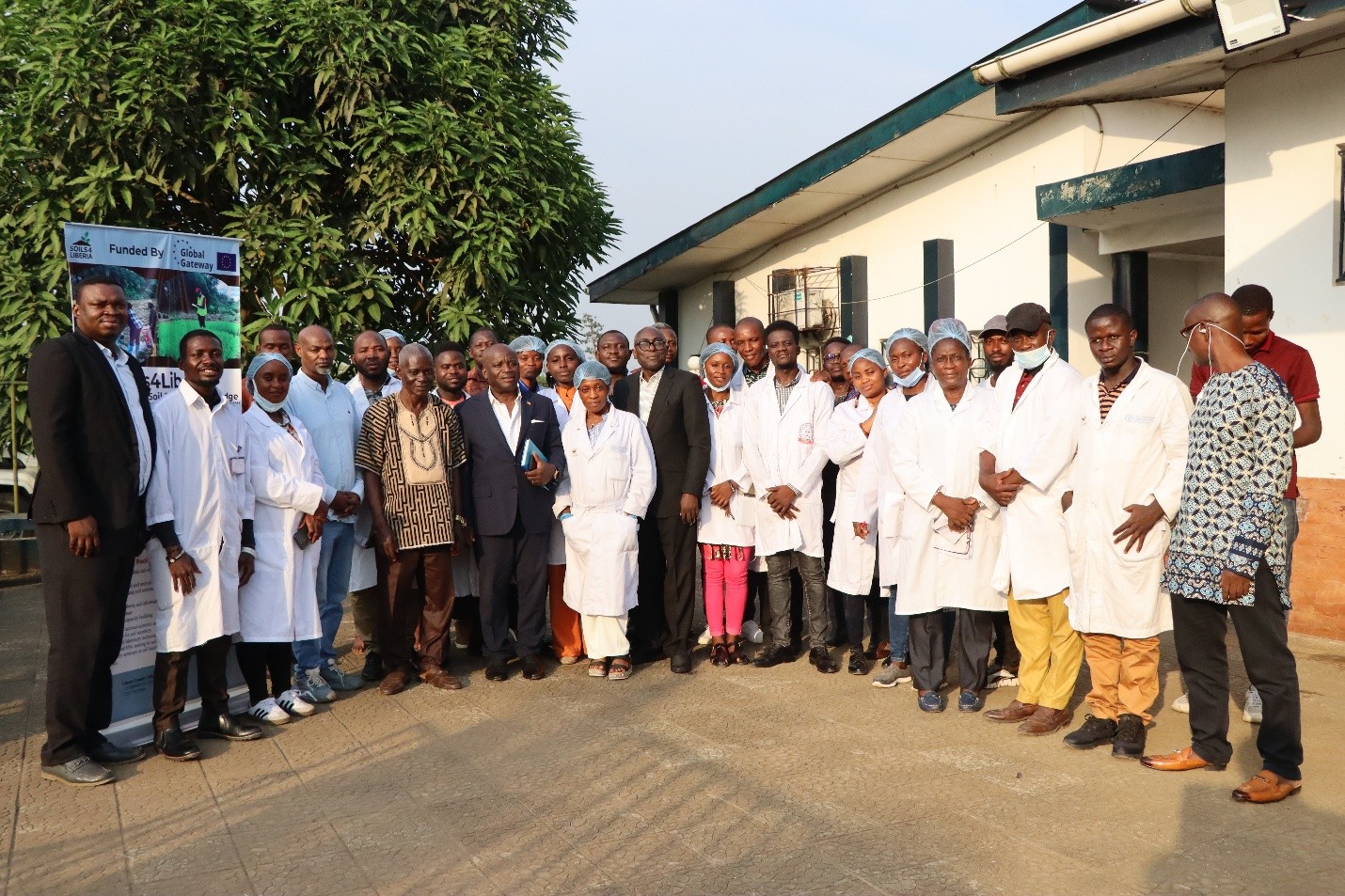
The International Institute of Tropical Agriculture (IITA) successfully concluded a specialized technical laboratory training on soil analysis, quality control, and Atomic Absorption Spectrometer (AAS) installation at the University of Liberia’s Soil Testing, Plant and Water Analysis Laboratory. The training, held from February 2-9, 2026, formed part of preparations for the EU-funded Liberia Land and Soil Resources Knowledge Project (Soils4Liberia) and was facilitated by IITA experts from the Analytical Services Laboratory based in Nigeria and Cameroon.
The training brought together 19 participants (9 males and 10 females) from the University of Liberia (UL), the Ministry of Agriculture (MoA), and the Central Agricultural Research Institute (CARI)...
Through hands-on technical sessions, participants strengthened their capacity in soil analysis, laboratory quality control systems, and the operation of advanced analytical equipment. The initiative reinforces IITA’s leadership in building national scientific capacity and supporting evidence-based agricultural transformation in Liberia.
The Soils4Liberia Project continues to play a pivotal role in strengthening Liberia’s knowledge base and institutional capacity for sustainable land and soil management. Soil samples from the nationwide soil inventory and mapping will be analyzed at the University of Liberia Soil Laboratory, positioning the institution as a key national hub for soil research and data generation. The installation of the Atomic Absorption Spectrometer (AAS), provided under the project, will significantly enhance the precision and speed of soil nutrient analysis, supporting informed planning and decision-making for resilient agricultural systems.
The closing ceremony was attended by the Deputy Minister for Technical Services at the Ministry of Agriculture, Hon. Solomon C. Hedd-Williams, alongside the Dean of the William R. Tolbert Jr. College of Agriculture and Forestry, Prof. Leroy W. Cegbe, and the Director of the Soil Laboratory, Dr. Salia Sheriff. Also present were the Soils4Liberia Project Manager, Dr. Abebe Shiferaw Dakka, Soil Scientist Dr. Samuel A. Mesele, and Mr. Joseph Uponi, Head of IITA Central Analytical Services.
In his closing remarks, Hon. Hedd-Williams emphasized the strategic importance of soil knowledge in national agricultural development, stating, “The Ministry is moving towards a soil-driven agriculture, as poor knowledge of our soils has been a major factor behind low productivity.” He further urged participants to apply their newly acquired skills in supporting nationwide soil analysis efforts, adding, “The Ministry is transitioning from traditional extension services to expert-driven advisory support, and this capacity will be critical in guiding that transformation.”
Through this intervention, IITA continues to demonstrate its commitment to strengthening national systems, advancing scientific excellence, and supporting Liberia’s journey toward sustainable and productive agriculture.
December 11, 2025
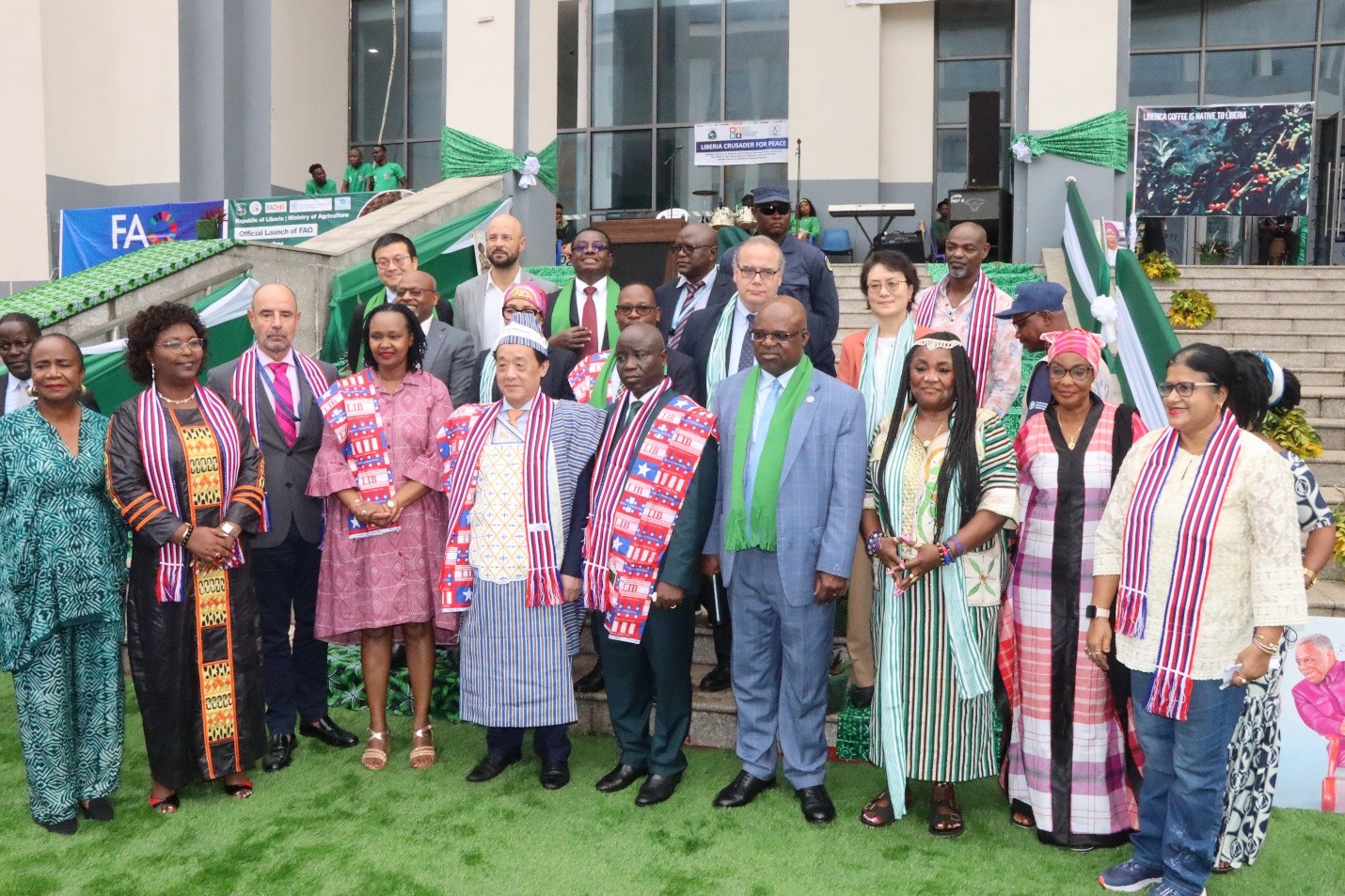
The International Institute of Tropical Agriculture (IITA) on Thursday, December 11, 2025 witnessed the historic launch of the One Country, One Priority Product (OCOP) and the Hand-in-Hand (HIH) Initiatives, hosted by the Ministry of Agriculture in Monrovia, Liberia as one of the programs outlined for the 2025 National Agriculture Fair...
The high-profile ceremony, attended by the United Nations Food and Agriculture Organization of the United Nations (FAO) Director-General Dr. Qu Dongyu and other guests, marked a major milestone for Liberia’s agricultural transformation, with Coffea Liberica selected as the country’s flagship commodity under the OCOP initiative.
Dr. Qu described the launch as a pivotal moment for Liberia’s agri-food sector, emphasizing that the initiative focuses on “real, measurable results” that put farmers at the center of growth. He highlighted that Liberia is now the first African nation to introduce a coffee product under the OCOP framework, an achievement made possible by the crop’s uniqueness, historical significance, and strong potential in international specialty markets.
Liberia Agriculture Minister, Dr. J. Alexander Nuetah commended FAO for its strategic collaboration, noting that the selection of Coffea Liberica will drive youth employment, stimulate agribusiness investment, and position Liberia competitively in the global coffee industry. The initiative aims to boost climate-resilient agriculture, strengthen productivity, expand value addition, and create new jobs across value chains.
IITA was represented by Dr. Ranjana Bhattacharjee, Molecular Geneticist and Lead on Coffee of Seeds4Liberia Project; Dr. Abebe Shiferaw Dakka, Project Manager of the EU-funded Soils4Liberia Project; and additional technical staff from the IITA Liberia Office. Their presence underscored IITA’s ongoing commitment to research, innovation, and capacity development within Liberia’s agriculture sector.
The launch represents a renewed partnership between FAO and the Government of Liberia and sets the stage for advancing agriculture as a powerful engine for economic empowerment, food security, and national growth.
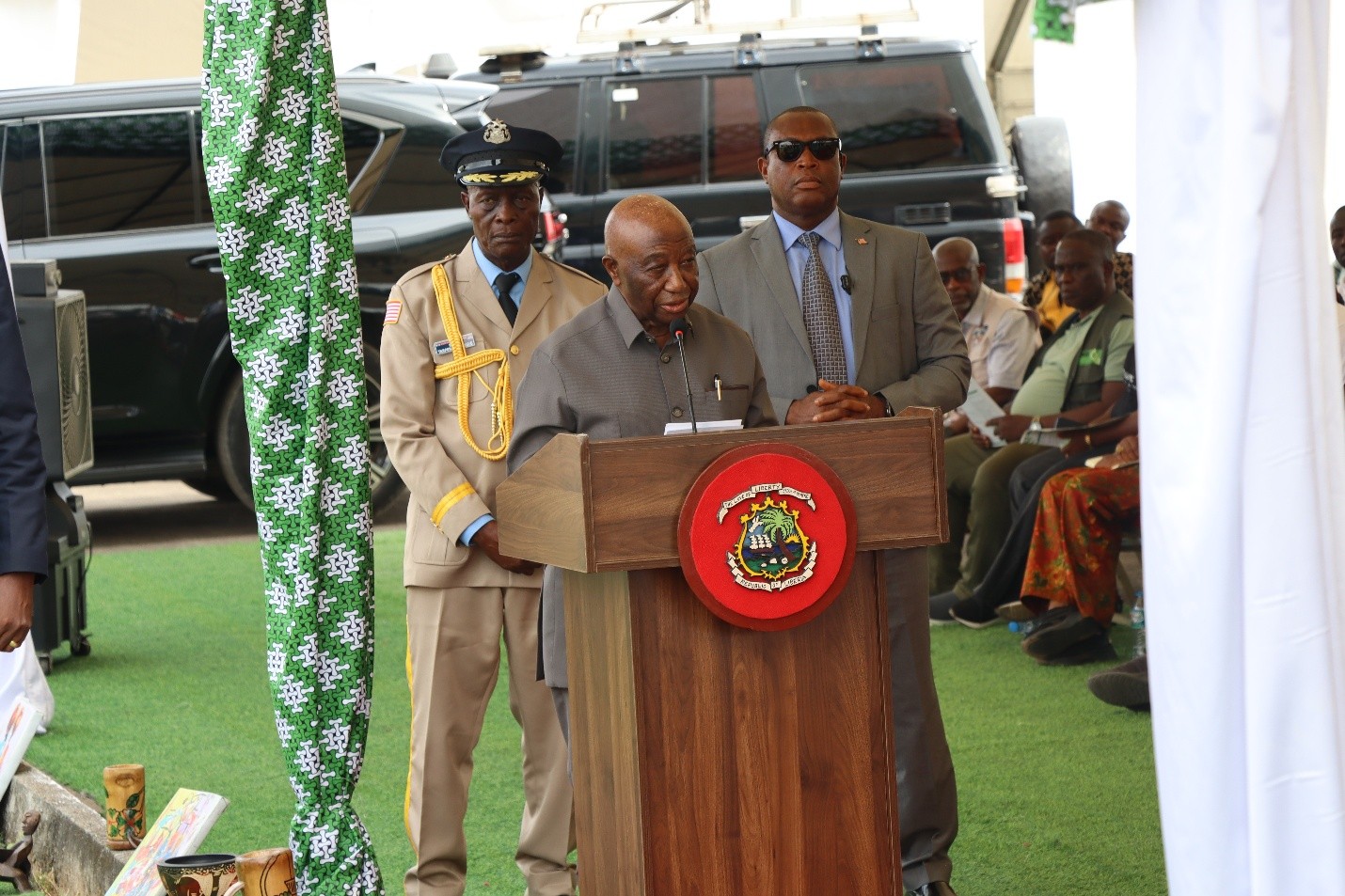
December 11–13, 2025
Agriculture holds a strong promise as a crucial pillar for food security, income generation, and sustainable national development in Liberia. Although the sector has not yet fully emerged as the backbone of the economy, there is growing momentum and renewed commitment to transform it through advancements in technologies and practices... It was against this backdrop that the National Agriculture Fair (NAF) 2025 was held in Ganta, Nimba County, from December 11 to 13, 2025. The fair was hosted by the Ministry of Agriculture under the theme “Empowering Farmers, Enriching the Nation” and afforded the opportunity to display local agriculture production, innovation, and value addition, drawing national attention to the transformative power of the agriculture sector.
At the opening ceremony, President Joseph Nyuma Boakai called on all Liberians to take collective ownership of the agriculture sector, stressing that no nation can achieve true independence while depending on others for food. He underscored the importance of infrastructure, mechanization, value-chain development, and improved market access to ensuring higher productivity and livelihoods for farmers.
Agriculture Minister Dr. J. Alexander Nuetah echoed this message, paying tribute to farmers as the backbone of the economy and emphasizing that every value-added product showcased at the fair begins in their fields.
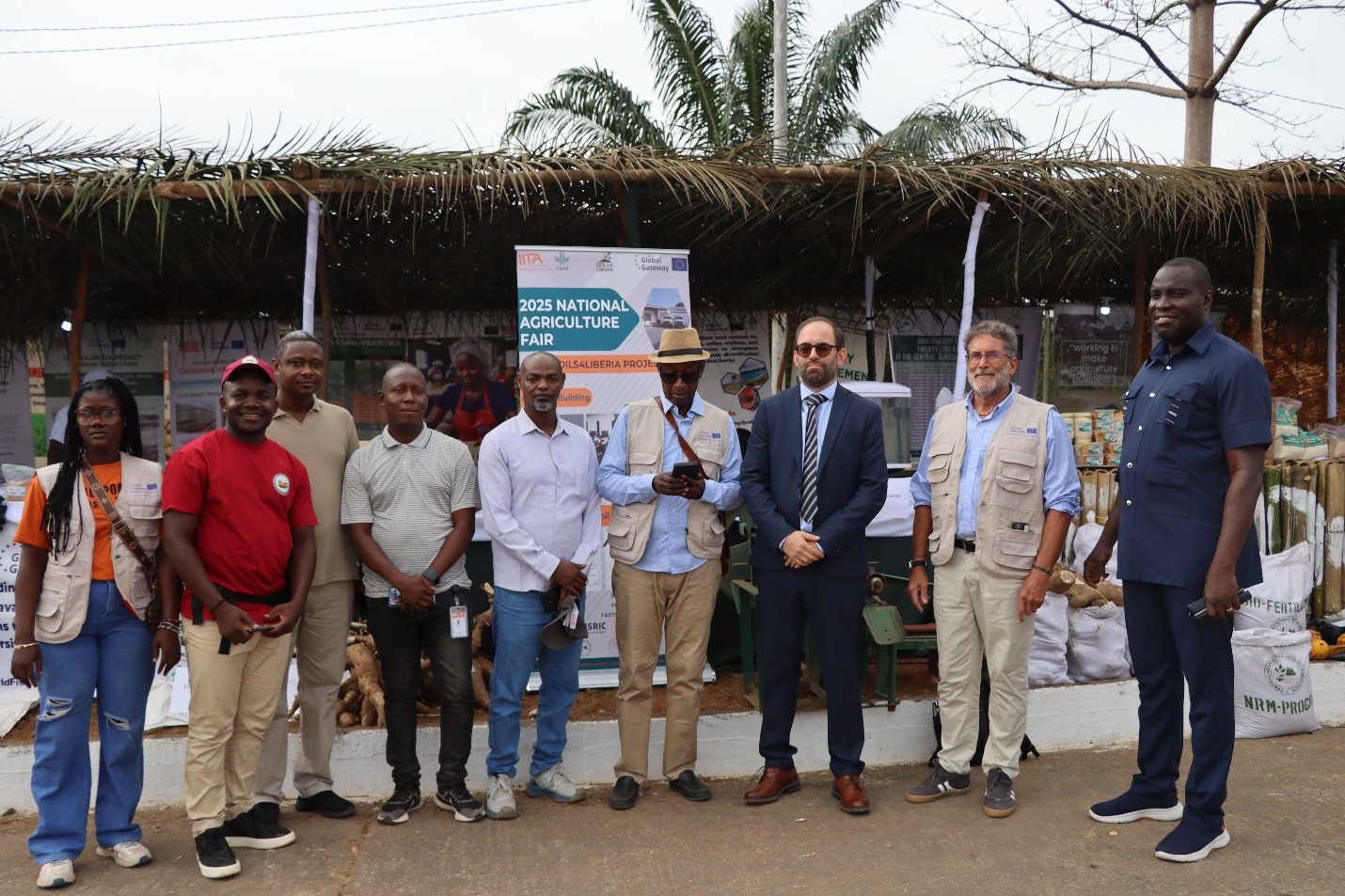
IITA presence at the 2025 NAF reinforced its long-standing commitment to advancing agricultural research, innovation, and capacity building in Liberia. IITA participated actively through three flagship initiatives: the Soils4Liberia Project and Seeds4Liberia Project, and the Regional Hub for Fertilizer and Soil Health in West Africa and the Sahel. Together, these initiatives highlight integrated approach to improving soil health, increasing access to quality seeds, and strengthening evidence-based agricultural development. Seeds4Liberia project is a consortium-based project involving AfricaRice, IITA and WordFish.
IITA’s participation also provided an opportunity for engagement with farmers, policymakers, development partners, and private sector actors and to share insights on how science-driven solutions can increase productivity, enhance resilience to climate change, and improve farmer incomes.
The 2025 Fair concluded on Saturday, December 13, 2025, and featured exhibitions, demonstrations, knowledge sharing, and the certification and recognition of outstanding farmers and agricultural institutions. During the closing, the Minister of Agriculture announced Lofa County as the host of the 2026 National Agriculture Fair and personally interacted with a range of participating farmers, agribusinesses, and institutions, reaffirming the government’s commitment to advancing agriculture nationwide.
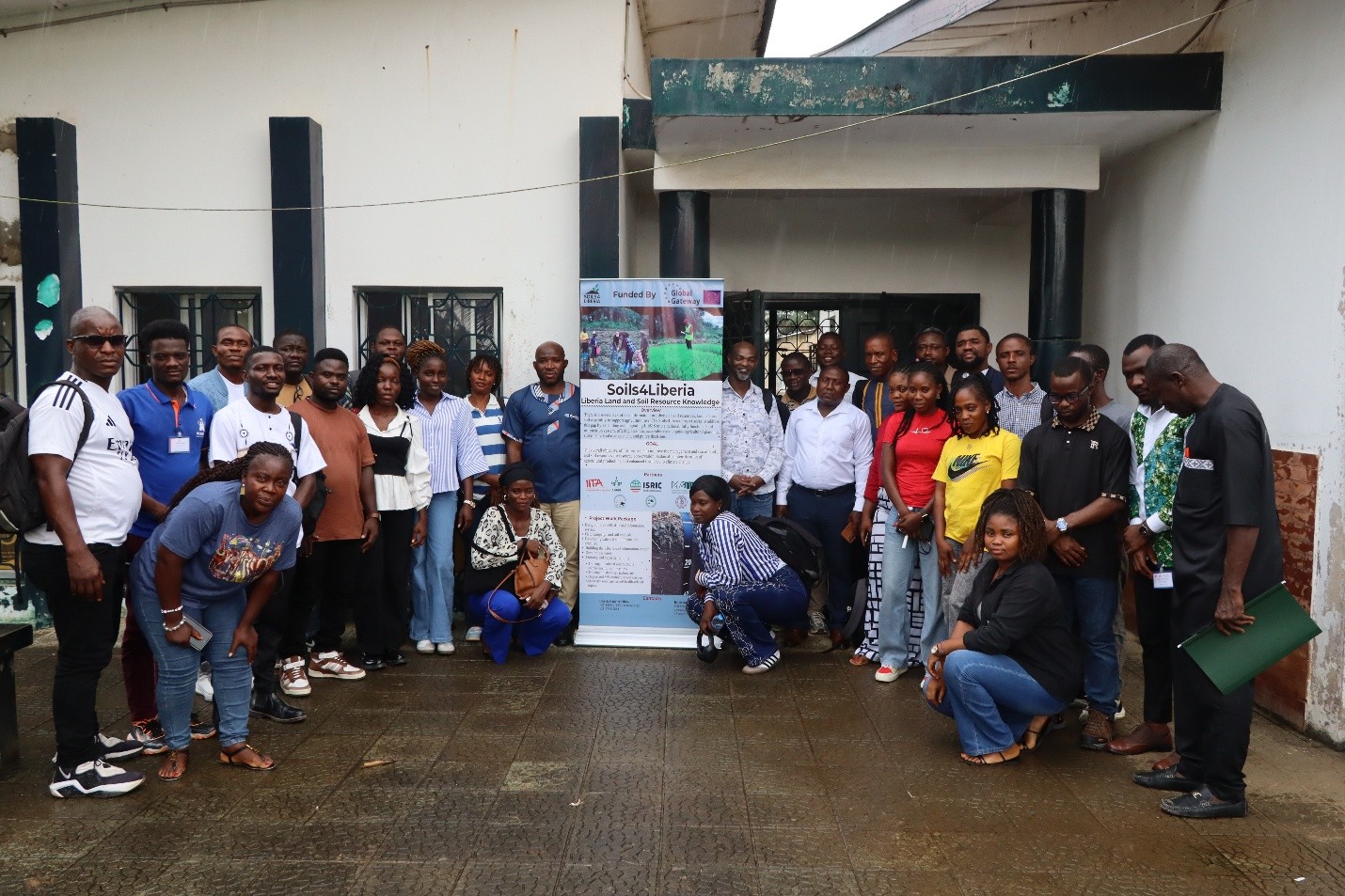
By Daniel Momo Sirleaf
The International Institute of Tropical Agriculture (IITA) Country Office in Liberia, through its EU-funded Soils4Liberia Project, has successfully concluded a three-day intensive digital data management training for laboratory staff of the University of Liberia (UL) and representatives from the Central Agricultural Research Institute (CARI), and the Ministry of Agriculture (MoA). Held from December 2–4, 2025, at the UL Soil Testing, Plant and Water Analysis Laboratory on the Fendall Campus, the training marked a significant step toward enhancing national capacity for soil data generation.
The International Institute of Tropical Agriculture (IITA) Country Office in Liberia, through its EU-funded Soils4Liberia Project, has successfully concluded a three-day intensive digital data management training for laboratory staff of the University of Liberia (UL) and representatives from the Central Agricultural Research Institute (CARI), and the Ministry of Agriculture (MoA). Held from December 2–4, 2025, at the UL Soil Testing, Plant and Water Analysis Laboratory on the Fendall Campus, the training marked a significant step toward enhancing national capacity for soil data generation.
The Soils4Liberia Project is expected to play a central role in supporting Liberia in building the knowledge and institutional capacity required for sustainable land and soil management. Soil samples that will be collected from field campaigns will be analyzed at the UL Soil Lab, making the University a critical partner in advancing the project’s goals. Recognizing this, IITA–Liberia organized the training to ensure that national partners have the digital competencies required for accurate, efficient, and traceable laboratory operations.
Speaking during the opening session, Soils4Liberia Project Manager, Dr. Abebe Shiferaw Dakka, emphasized that capacity building remains a fundamental pillar of the project. He described the training as an investment in sustainable national systems, particularly as Liberia expands its soil analysis work.
“Building the skills of our national partners ensures that research institutions are equipped to generate quality, science-based data for decision-making,” he said, noting that strengthening UL’s laboratory capacity is essential for achieving the project’s long-term outcomes.
The training introduced participants to the ODK Collect application and the ONA cloud server platforms. Participants learned how to develop and deploy XLSForms for registering soil samples, documenting chain-of-custody processes, and recording laboratory preparation and analysis results. A major highlight was the introduction of barcode-enabled digital forms, allowing technicians to track samples seamlessly across workflow stages.
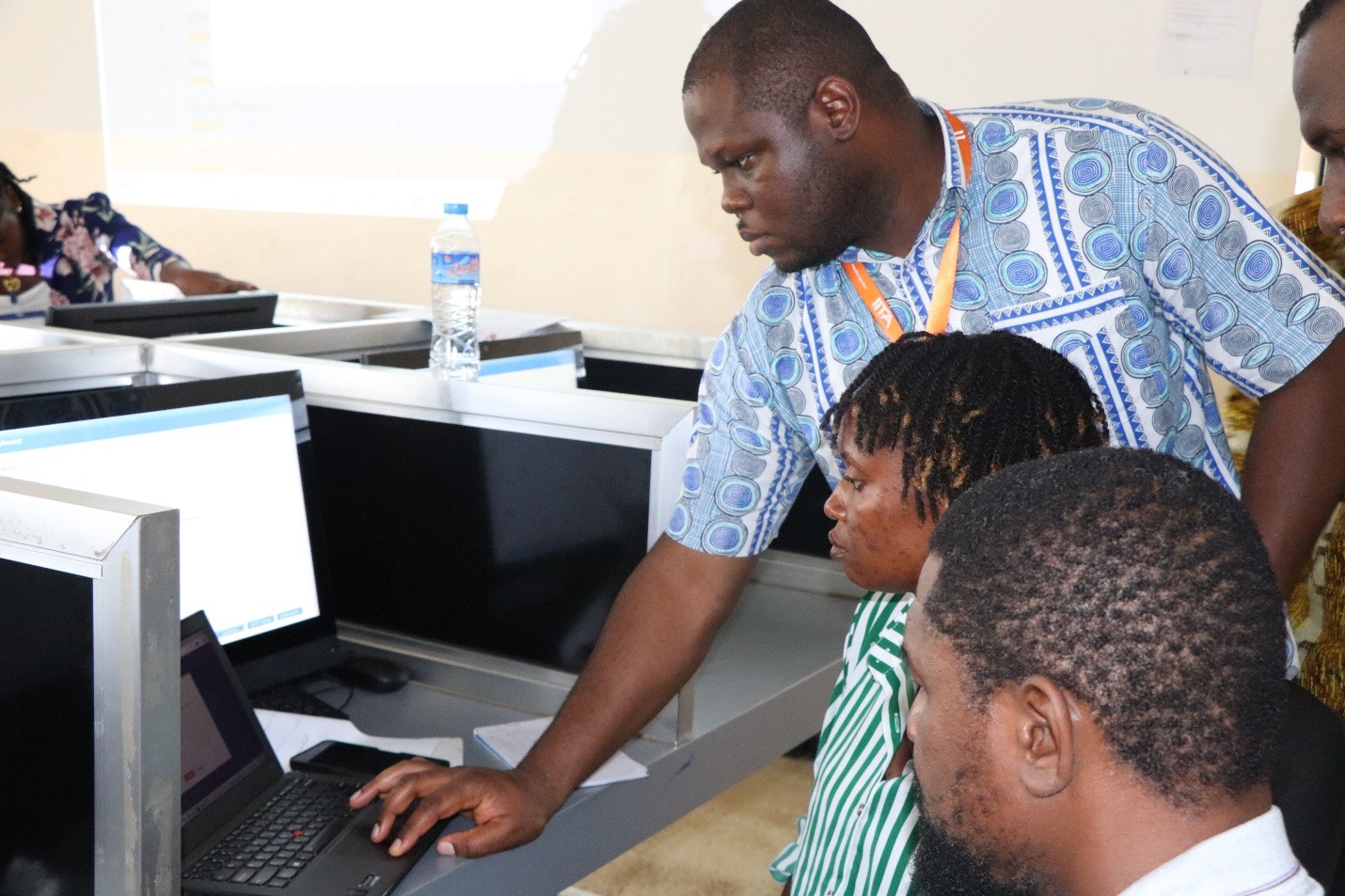
Training featured intensive hands-on exercises led by Mr. Joseph Archie Koilor, the Soils4Liberia Project Data Management Officer at IITA Liberia. Participants practiced form deployment, uploading data to the ONA server, cleaning datasets, and exporting structured information for reporting. The practical nature of the sessions allowed participants to apply the tools directly to ongoing laboratory work, ensuring skills were immediately transferable.
The training climaxed on December 4 with a closing ceremony and certification of participants. The event was graced by notable UL officials, including Dr. Salia S. Sheriff, Director of the UL Soil Laboratory; Professor James S. Kiazolu, former Soil Lab Director; and Mr. Alphanso C. Davies, Administrative Assistant to the Dean of the College of Agriculture and Forestry. Dr. Dakka commended participants for their dedication and regarded the training as a milestone in strengthening Liberia’s soil research infrastructure.
Participants expressed appreciation for the initiative, describing it as timely and transformational. As Liberia prepares for a nationwide survey and soil analysis under Soils4Liberia, the new skill sets in digital workflows will help reduce errors, enhance traceability, and improve the overall management of soil data at the UL Soil Lab.
The successful completion of the training underscores IITA’s commitment to building the capacity of national partners’ institutions in Liberia. Through continued collaboration with UL, MoA, and CARI, Soils4Liberia is helping lay the foundation for a more efficient, accurate, and modern soil data management system that will benefit farmers, researchers, and policymakers nationwide.
We are committed to strengthening agricultural systems through research, capacity building, and data-driven solutions. Our approach focuses on empowering institutions, improving soil knowledge, and supporting sustainable farming practices across Liberia.
Learn MoreEnsuring high standards in soil analysis, data accuracy, and research outputs.
A dedicated team of scientists and field experts driving impactful solutions.
Utilizing advanced tools and digital systems for efficient data collection and analysis.